Bathroom Plumbing Services in East Lothian
What the Work Actually Involves
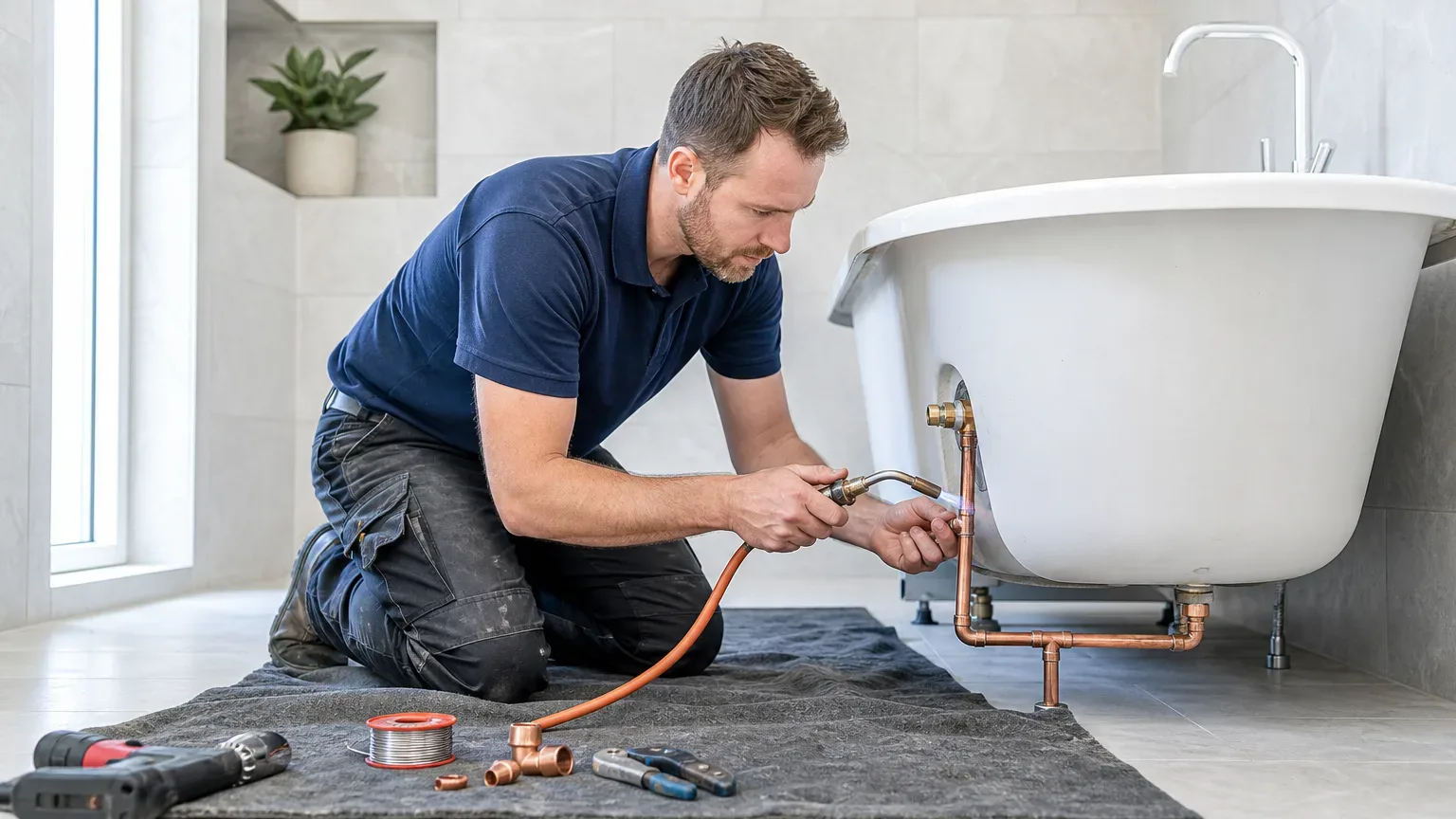
Bathroom plumbing covers far more than swapping a tap or unblocking a drain. A full renovation typically requires moving or extending waste pipes, repositioning supply lines, fitting new sanitaryware, and connecting thermostatic shower valves, all of which demand a competent tradesperson who understands both modern fittings and the older pipework common in East Lothian properties. Many homes in towns such as Haddington, North Berwick, and Musselburgh were built in the mid-twentieth century or earlier, meaning lead or iron supply pipes sometimes appear once walls are opened up. Identifying and resolving those issues early prevents costly delays mid-project.
A bathroom refresh, by contrast, is a cosmetic update that replaces fittings and finishes without a full strip-out or structural plumbing changes. Swapping a basin, fitting new taps, or replacing a shower mixer can often be completed without touching the waste stack at all. Knowing which category your project falls into shapes every subsequent decision, from budget to programme.
How Plumbing Fits Into a Full Bathroom Renovation
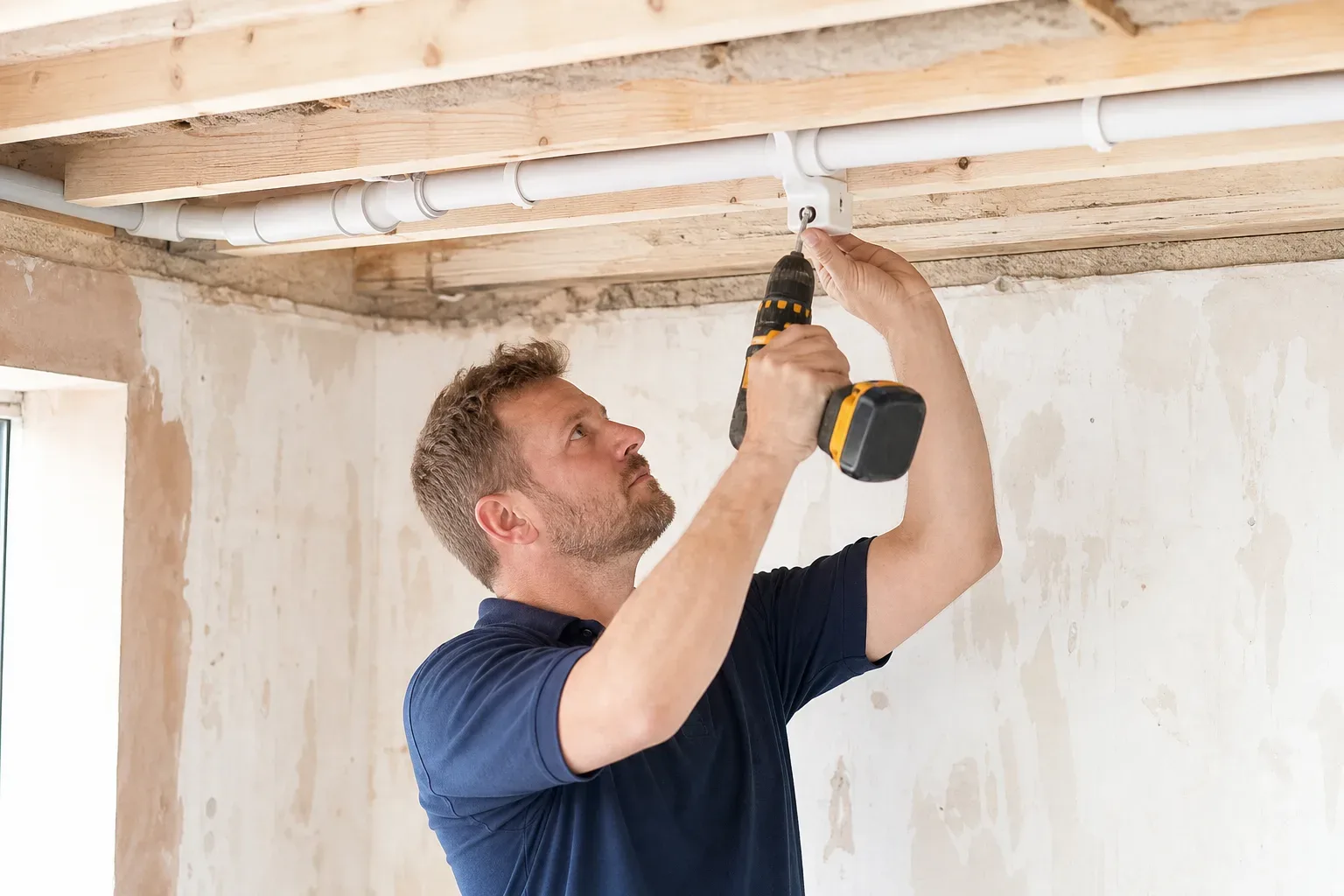
Plumbing work sits at the critical path of any bathroom project. Walls cannot be tiled until pipe routes are fixed; sanitaryware cannot be fitted until first-fix plumbing is complete and pressure-tested. A typical full bathroom renovation in East Lothian runs 5–10 working days from strip-out to snagging, and plumbing activity spans both the first-fix and second-fix stages of that window.
First-fix plumbing happens behind the scenes: waste pipes, supply feeds, and any underfloor heating connections are run, secured, and tested before a single board goes on the wall. Second-fix follows once tiling is complete and includes fitting the bath, basin, WC, shower valve, and all visible hardware. Separating these two phases clearly with your fitter avoids the common frustration of tiles being broken to access a pipe that should have been positioned differently on day one.
Wet Rooms and Level-Access Showers
A wet room is a fully waterproofed, level-access shower room with no tray or enclosure threshold. The drainage specification is more demanding than a standard shower because the entire floor must fall to a central or linear drain at a consistent gradient, typically 1:80 to 1:60. Tanking is applied to all wet room and shower enclosure substrates before tiling as standard practice, not an optional upgrade, and the drain must be mechanically fixed and sealed to the tanking membrane before any tiles are laid.
Walk-in showers use a low-profile or flush tray with a large opening and typically no door. They are simpler to install than a fully tanked wet room but still require a correctly sized waste outlet and a trap with adequate flow rate to handle a powerful shower head without pooling. Specifying the wrong trap depth is one of the most common errors on budget installations.
En Suite Installations
An en suite in an existing bedroom space, with no major structural work, typically takes 3–6 working days to complete. The plumbing challenge is usually routing: the new room may sit some distance from the soil stack, and the waste pipe must maintain a fall of roughly 18–90 mm per metre to drain freely without gurgling or siphoning the trap. In older East Lothian houses with suspended timber floors, this routing often runs below the floorboards rather than in the ceiling of the room below, which simplifies access but demands careful measurement.
Choosing a Plumber for Your Bathroom Project
Not every general plumber is comfortable with the full scope of a bathroom renovation. Look for a tradesperson who carries out first-fix and second-fix work together, or who has an established working relationship with a dedicated bathroom fitter. All recommended installers should be Gas Safe registered where gas connections are involved and hold relevant CSCS or equivalent trade qualifications for the work they carry out.
Ask to see recent bathroom projects, not just boiler jobs. References from homeowners in similar East Lothian properties, particularly stone-built or semi-detached houses, are more useful than generic testimonials. A plumber who has worked in North Berwick sandstone properties understands the wall construction in a way that someone used only to modern new builds simply does not.
What to Check Before Work Starts
Confirm that your water pressure is adequate for the shower system you have chosen. Combi boiler fed systems typically deliver 1–3 bar at the shower; gravity-fed systems from a tank in the loft may deliver as little as 0.1 bar, which is insufficient for most thermostatic valves without a pump. Your plumber should carry out a dynamic pressure test before ordering fittings rather than after.
Check whether any pipes being moved are part of a sealed heating system. Work on sealed systems requires a tradesperson with the appropriate qualifications. Most internal bathroom renovations in East Lothian do not require planning permission, but if your property is listed or sits in a conservation area, check with East Lothian Council before making structural or external changes.
Bathroom Plumbing Costs in East Lothian
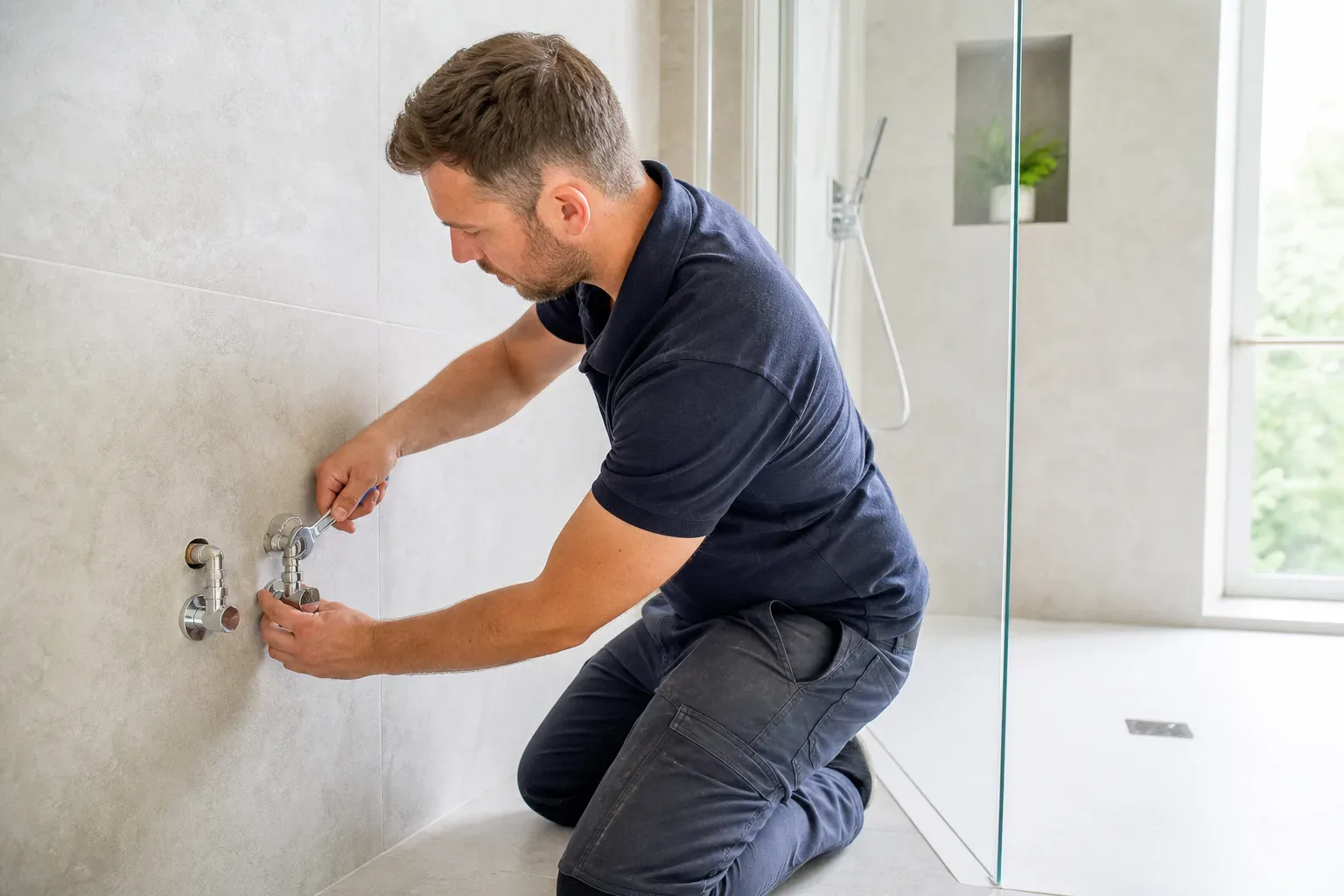
Plumber day rates in East Lothian typically sit in the £200–£350 per day range per tradesperson. A straightforward sanitaryware swap during a refresh can be completed in a day or two; a full repositioning of bath, WC, and basin in a family bathroom may require three to four plumbing days split across first and second fix.
For a full bathroom renovation, the total project cost, covering supply and fit, typically falls between £4,000 and £15,000 depending on specification and room size. An en suite installation in existing space usually costs £2,500–£6,000, while a wet room installation, including tanking, drain, screen, and tiling, runs £3,000–£8,000. A cosmetic refresh without structural plumbing changes sits at £800–£2,500.
Tiling costs add £40–£80 per m² for supply and fit, with larger format or natural stone tiles at the upper end of that range. Being precise about your tile choice before work starts allows the plumber and tiler to coordinate setting-out correctly, particularly around bath panels, shower niches, and floor drains.
Disabled Adaptations and Accessible Bathrooms
Level-access wet rooms and walk-in showers are the most common adaptation for older or less mobile residents. Grab rail positioning, WC height, and door clear-opening width all influence whether a bathroom is genuinely safe to use daily, and these decisions need to be made before any plumbing is fixed in place.
Funding may be available through East Lothian Council's Scheme of Assistance or the Care and Repair service, subject to eligibility. These programmes can contribute to the cost of adaptations for eligible residents, which can make a significant practical difference to what is possible within a household budget. A plumber with experience in accessible bathroom installations will understand the specific structural requirements for grab rail fixing and the drainage gradients needed for safe floor drainage.
Frequently Asked Questions
Bathroom Plumbing Costs East Lothian
Plumber day rates in East Lothian typically range from £200 to £350 per tradesperson per day. A full bathroom renovation covering supply and fit usually costs £4,000–£15,000, while an en suite installation in existing space runs £2,500–£6,000. A wet room including tanking, drain, screen, and tiling costs £3,000–£8,000, and a cosmetic refresh without structural plumbing changes sits at £800–£2,500.
Do I Need a Specialist Plumber for a Bathroom Renovation or Will a General Plumber Do?
A general plumber can handle isolated repairs, but a full bathroom renovation involves both first-fix and second-fix stages, waste pipe rerouting, pressure testing, and coordination with tilers and fitters. A plumber with specific bathroom renovation experience is better placed to manage those interdependencies and avoid costly mistakes such as incorrectly positioned pipe runs that require tiles to be lifted later.
What Is the Difference Between a Wet Room and a Walk-in Shower for Plumbing Purposes?
A wet room is a fully waterproofed, level-access shower room with no tray or threshold; the floor is tanked and graded to a drain, which requires more precise installation. A walk-in shower uses a low-profile or flush tray with a large opening and is less demanding to install, though it still requires a correctly sized waste outlet and trap. The two terms are not interchangeable, and the drainage specification differs significantly between them.
How Long Does Bathroom Plumbing Take for a Full Renovation in East Lothian?
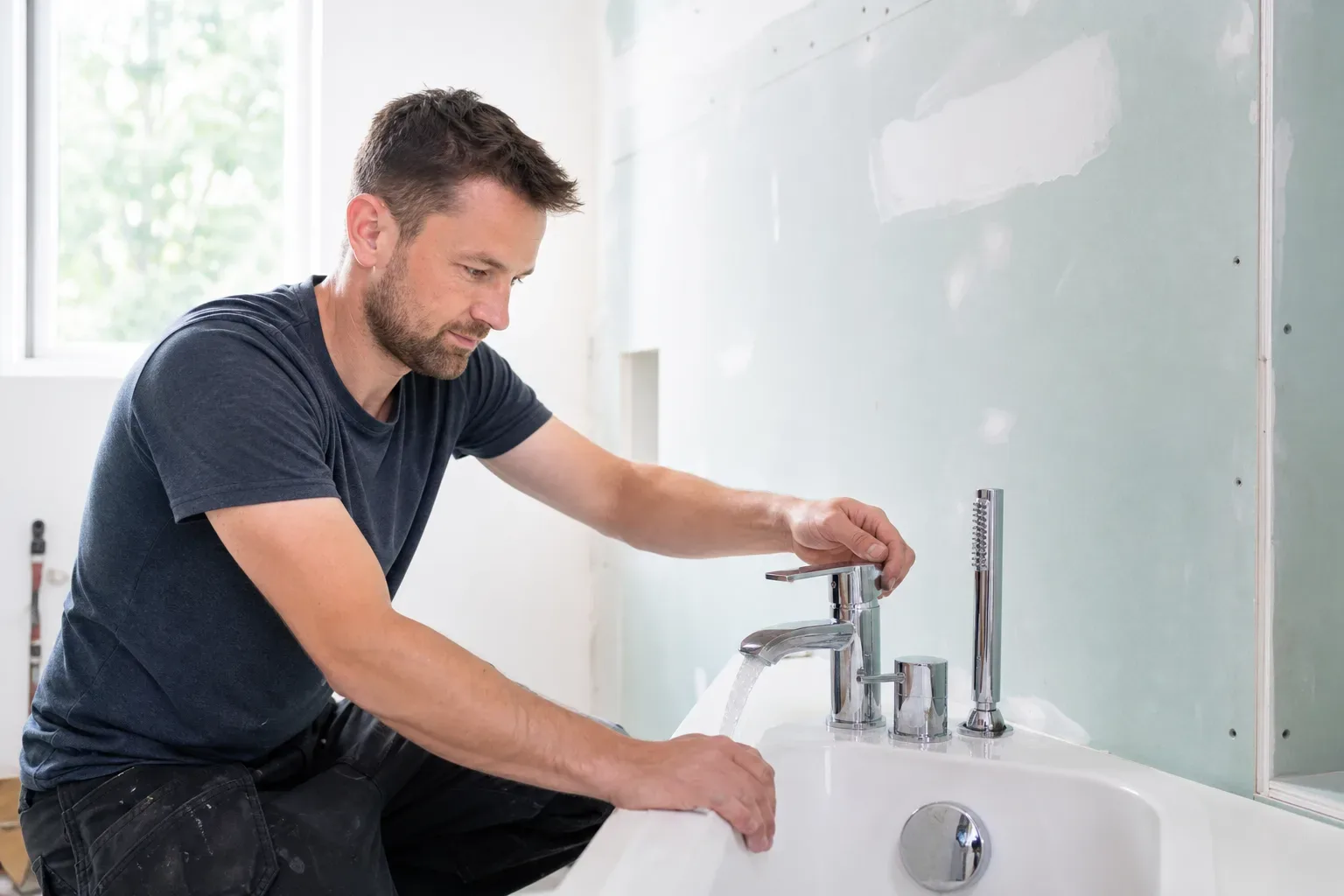
Plumbing activity spans both the first-fix and second-fix stages of a full bathroom renovation, which typically runs 5–10 working days from strip-out to snagging. First-fix work, covering pipe runs and waste connections, happens before walls are boarded and tiled. Second-fix, which includes fitting sanitaryware, shower valves, and visible hardware, follows once tiling is complete.
Is Planning Permission Needed for Bathroom Plumbing Work in East Lothian?
Most internal bathroom renovations in East Lothian do not require planning permission. However, if your property is listed or located in a conservation area, certain works may need consent from East Lothian Council before they proceed. It is always advisable to confirm with the council before starting any project that involves structural changes or alterations to the external appearance of the building.