Bathroom Renovation Planning Permission - What East Lothian Homeowners Need to Know
Most internal bathroom renovations in East Lothian do not require planning permission. Replacing a bath, fitting a new shower enclosure, or retiling from top to bottom all fall within permitted development for the vast majority of Scottish homes. The rules become more nuanced when your property sits in a conservation area or carries a listed building designation, so it pays to know exactly where your home stands before work begins.

Planning Permission vs Building Warrants - Understanding the Difference
These are two separate legal requirements, and confusing them is one of the most common mistakes homeowners make. Planning permission, issued by East Lothian Council, controls how land and buildings are developed or changed in appearance. A building warrant, also issued by the Council, confirms that the construction work itself meets building standards set under Scottish law.
For a standard bathroom renovation, planning permission is rarely needed. A building warrant, however, may be required depending on the scope of work involved. Understanding which applies to your project before you start protects you from complications when you come to sell the property.
When Does a Bathroom Renovation Need Planning Permission?
For most homeowners in East Lothian, a bathroom renovation will not need planning permission. Internal works that do not alter the external appearance of the building, change its footprint, or affect a protected structure typically fall outside the scope of planning control.
The exceptions are worth knowing:
- Listed buildings: Properties on the statutory list, including many in Haddington's historic town centre and parts of North Berwick, require listed building consent for alterations that could affect their character. This applies to internal works, not just exterior changes. Even replacing period sanitaryware or removing original tiling could be caught.
- Conservation areas: External changes in a conservation area require consent, but purely internal bathroom works generally do not. Confirm this with East Lothian Council if any element of your project involves external walls, windows, or roof lights.
- Change of use or structural alterations: If you are converting a bedroom into a bathroom or creating a new room, planning permission is more likely to be relevant.
If you are uncertain about your property's status, the East Lothian Council planning portal allows you to check whether an address falls within a conservation area or carries a listing.
When Is a Building Warrant Required?
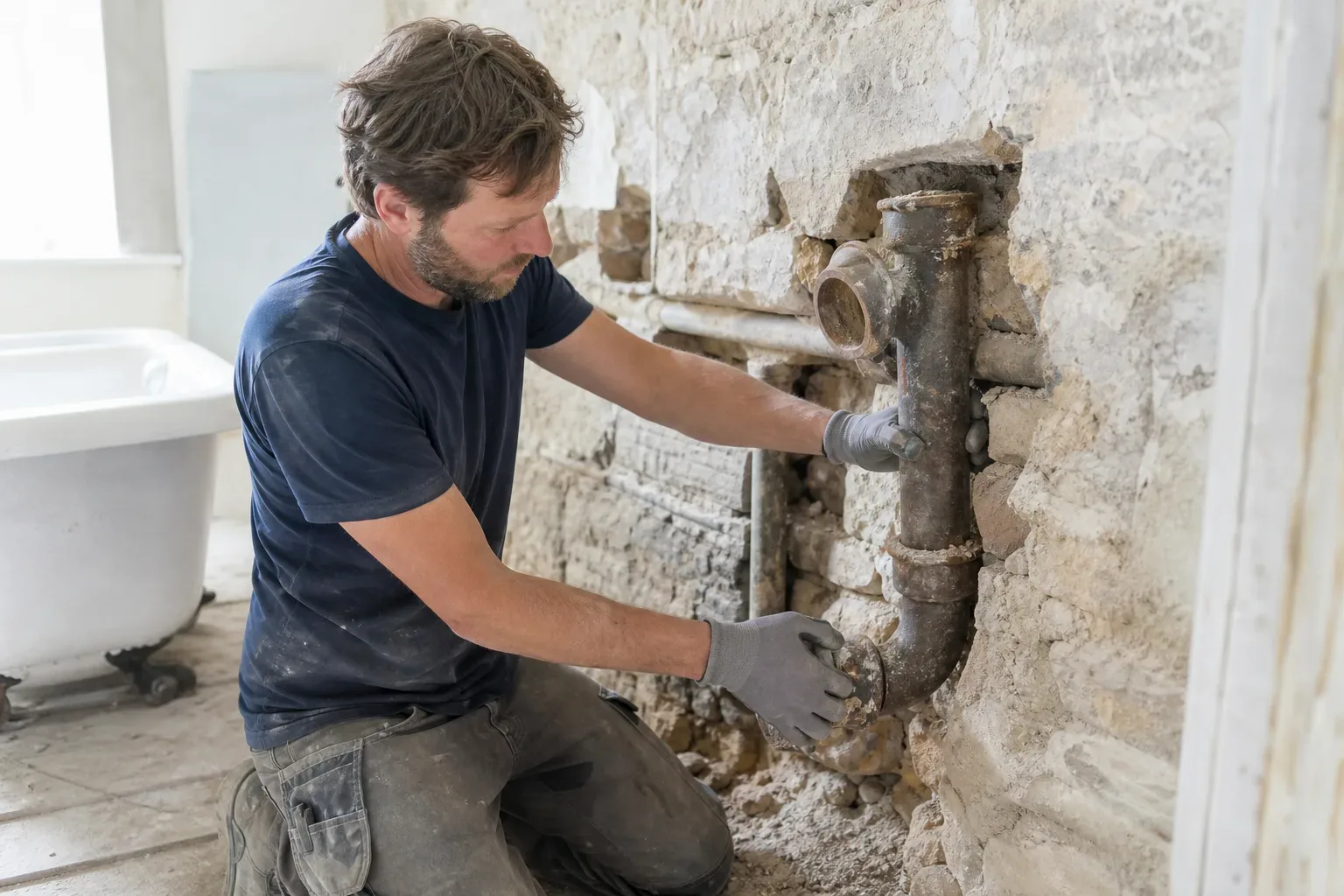
A building warrant is required when work involves structural changes, new drainage connections, or alterations to a sealed heating or hot water system. The Scottish building standards framework applies to more situations than many homeowners expect.
Specific scenarios that typically trigger a warrant requirement:
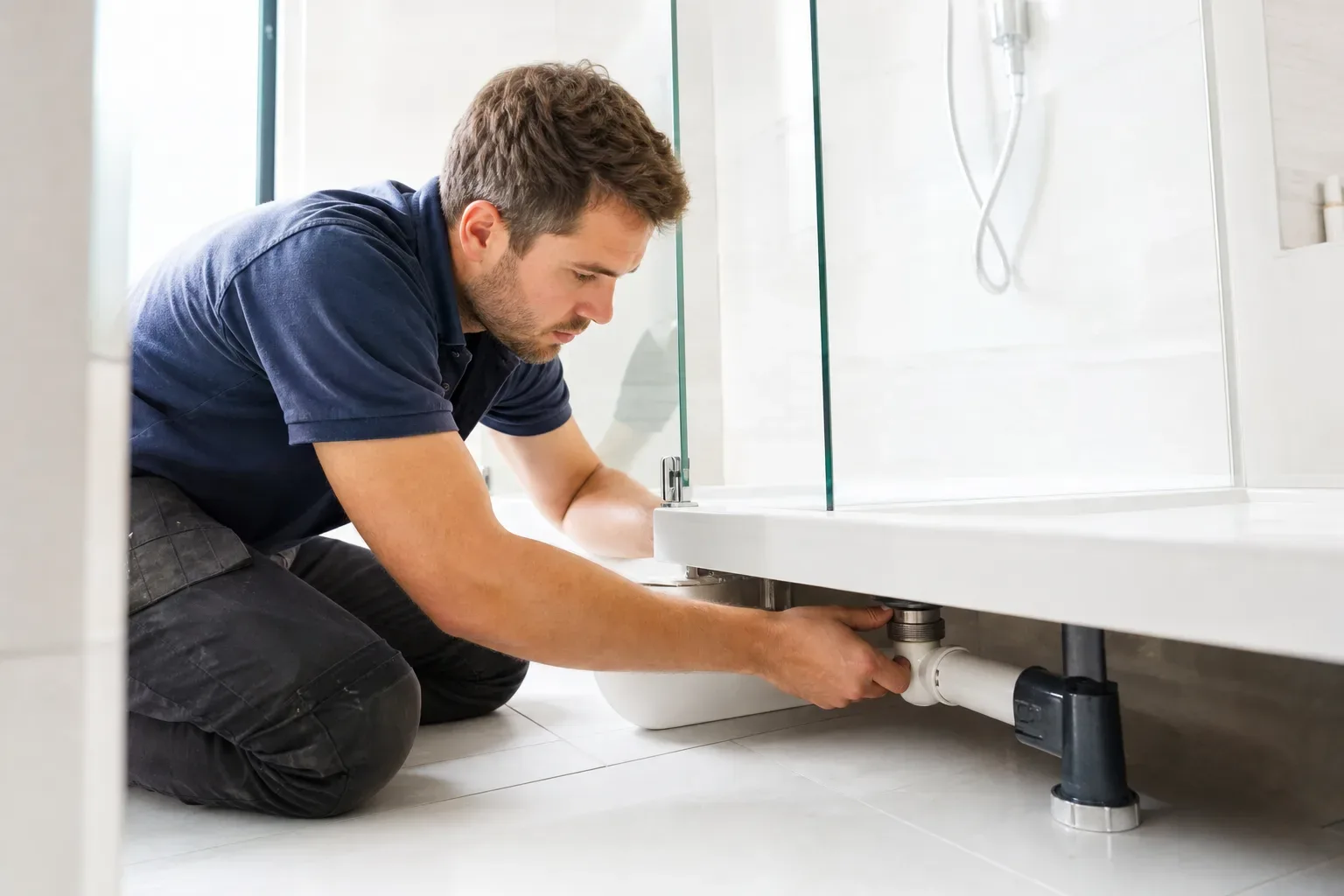
- New drainage runs: Adding a bathroom in a space that previously had none, or significantly rerouting existing waste pipes, will usually require a warrant.
- Structural alterations: Removing a wall to enlarge a bathroom or create a wet room where doorways are widened for accessibility purposes.
- Notifiable plumbing work: Any work on a sealed central heating system, including moving heated towel rails connected to the primary circuit.
A like-for-like replacement of sanitaryware, taps, or tiles in an existing bathroom generally does not require a building warrant. A full strip-out and reinstall using the same drainage positions and no structural changes sits in a grey area; your installer should advise, and East Lothian Council's building standards team will give a definitive view if asked.

Wet Rooms, En Suites, and New Installations
Installing a wet room or a new en suite carries a higher likelihood of warrant requirements than a straightforward renovation. A wet room is a fully waterproofed, level-access shower room with no tray or enclosure threshold. Achieving that requires a recessed floor build-up and often a new drain position, both of which can engage building standards regulations.
New en suite installations in an existing bedroom typically involve new drainage runs and sometimes structural penetrations through walls or floors. The typical East Lothian en suite costs £2,500–£6,000 and takes 3–6 working days. Factoring in the time to submit a warrant application, where one is needed, is sensible at the planning stage.
Wet room installations generally run £3,000–£8,000, with the accessible level-access specification at the upper end of that range. Where the project includes adaptations for a disabled resident, funding may be available through East Lothian Council's Scheme of Assistance or the Care and Repair service, subject to eligibility.
How to Check Before You Start
East Lothian Council's building standards team can be contacted directly for pre-application advice. This is a free service and a straightforward way to establish whether your project needs a warrant before any money is spent on materials or labour.
For planning queries, the Council's planning department accepts informal pre-application enquiries. If your property is listed, Historic Environment Scotland may also need to be consulted, particularly for Category A or B listed buildings.
Useful steps before committing to a contractor:
- Check whether your property appears in a conservation area or holds a listed building designation using the East Lothian Council planning portal.
- Describe the intended scope of work in writing, including any drainage changes or structural alterations.
- Contact building standards for a view on warrant requirements.
- Confirm with your installer that all plumbing work will be carried out by appropriately qualified tradespeople. All recommended installers hold Gas Safe registration where applicable and carry relevant CSCS or equivalent trade qualifications.
What Happens If You Skip the Process?
Carrying out notifiable work without a building warrant creates a legal difficulty at the point of sale. Solicitors acting for buyers routinely request evidence of warrants and completion certificates for material alterations. Without these, you may need to obtain a retrospective certificate of regularisation from East Lothian Council, which involves an inspection and a fee.
For listed building works carried out without consent, the consequences are more serious. Listed building consent enforcement has no time limit in Scotland, meaning unauthorised works can be pursued regardless of when they were done.
Getting the paperwork right at the outset adds a modest amount of time to a project. A full bathroom renovation in East Lothian typically takes 5–10 working days from strip-out to snagging. Submitting a building warrant application in advance, where one is genuinely needed, is a small step relative to the risk of not doing so.
Frequently Asked Questions
Do I Need Planning Permission for Bathroom Renovation?
Most internal bathroom renovations in East Lothian do not require planning permission. Exceptions apply to listed buildings, where listed building consent is needed for internal alterations that could affect the property's character, and to projects involving external changes in conservation areas. It is always worth checking with East Lothian Council if you are unsure about your property's status.
Do I Need a Building Warrant for a Bathroom Renovation in Scotland?
A building warrant is required in Scotland when work involves new drainage runs, structural alterations, or changes to a sealed heating system. A like-for-like replacement of sanitaryware or tiling in the same positions generally does not require one, but East Lothian Council's building standards team can confirm this for your specific project.
Does a Listed Building Need Consent for an Internal Bathroom Renovation?
Yes. Listed buildings in East Lothian require listed building consent for internal alterations that could affect their character, not just external changes. This can include removing original tiling, altering period fixtures, or changing the layout of a historic interior. Contact East Lothian Council's planning department and, for Category A or B listed buildings, Historic Environment Scotland.
Do I Need Planning Permission to Add an En Suite in East Lothian?
Adding an en suite within existing internal space does not normally require planning permission, but it may require a building warrant if it involves new drainage connections or structural alterations. The typical en suite installation costs £2,500–£6,000 and takes 3–6 working days; allow extra time at the planning stage if a warrant application is needed.
What Are the Consequences of Doing Bathroom Work Without a Building Warrant in Scotland?
Carrying out notifiable work without a building warrant can cause problems when you sell the property, as buyers' solicitors request warrants and completion certificates for material alterations. Without them, you may need to apply for a retrospective certificate of regularisation from East Lothian Council. For listed building works carried out without consent, enforcement has no time limit under Scottish law.