Choosing Bathroom Taps and Fixtures in East Lothian
Water Pressure Comes First
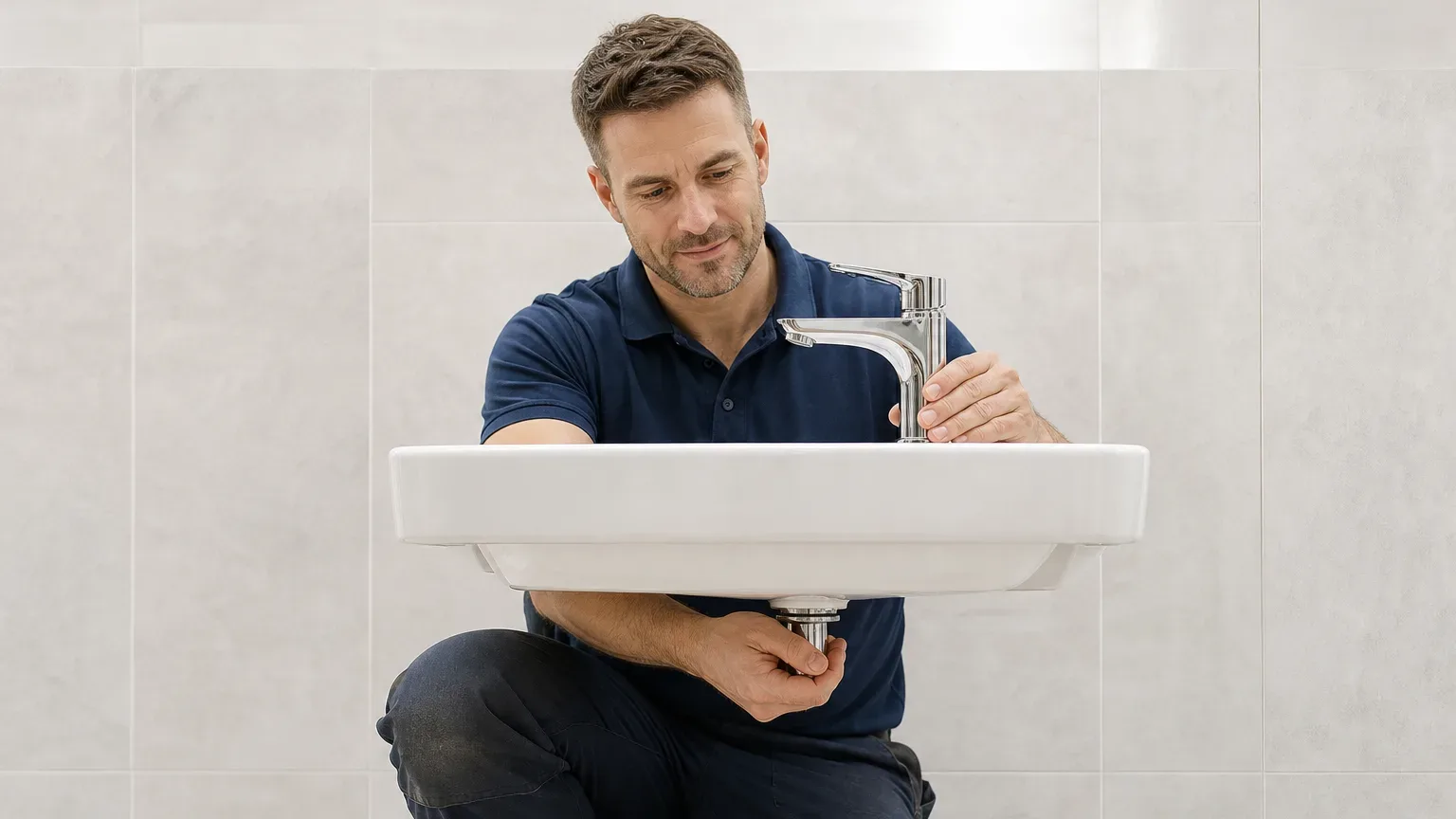
Before you choose any tap, you need to know what your water system can actually deliver. East Lothian homes vary considerably: a Victorian terrace in Musselburgh may run a gravity-fed system with low pressure, while a newer build in Prestonpans or North Berwick is more likely to have a combi boiler pushing mains pressure above 1.5 bar. Fitting a tap rated for high pressure onto a low-pressure gravity system is one of the most common causes of disappointing flow and premature wear.
A straightforward way to test pressure is to time how long a one-litre jug takes to fill from your cold tap. Under six seconds suggests adequate pressure for most modern mixers; slower than that, and you may need a pump-assisted or gravity-compatible fitting. Your bathroom fitter or plumber can check this properly before a single fixture is ordered.
Tap Styles and What They Suit
Monobloc Mixer Taps
Monobloc mixers combine hot and cold into a single body with one or two handles. They are the most popular choice for basins in East Lothian bathrooms right now, partly because they suit both modern and transitional interiors and partly because a single hole in the basin simplifies installation. Quarter-turn ceramic disc cartridges have largely replaced rubber washers, so dripping is less common and maintenance is straightforward.
Flow rate on a monobloc depends heavily on your system type. Gravity-fed systems typically deliver 6–10 litres per minute at the tap, while mains-pressure systems can reach 15–20 litres per minute through the same fitting. Always confirm the tap's minimum pressure rating before purchasing.
Pillar Taps
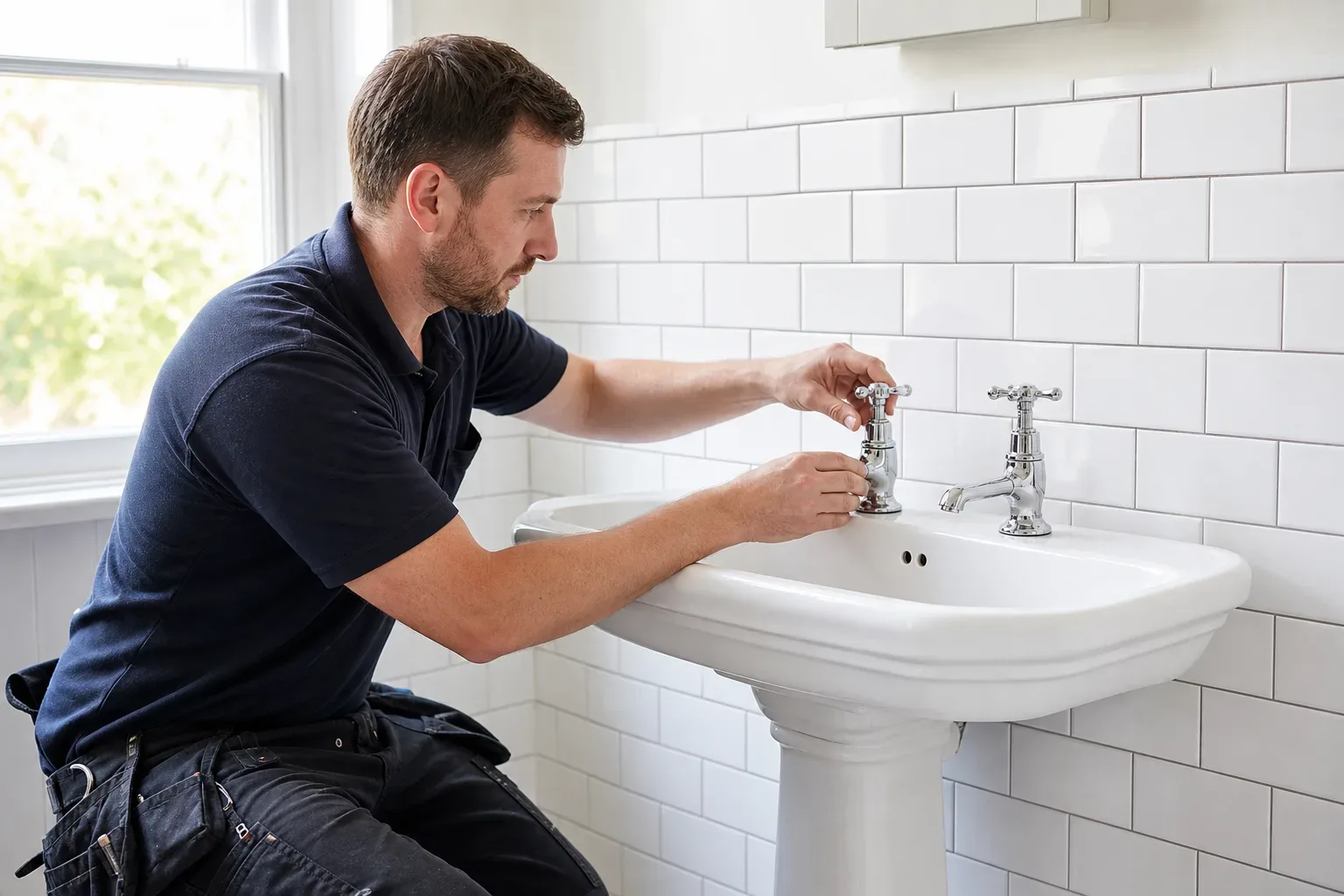
Pillar taps are separate hot and cold fittings that mount through two holes, usually 180 mm apart. They suit traditional baths and period-style basins well and are common in older Haddington or Dunbar homes where the original sanitaryware had twin holes already. The crosshead or capstan handle versions are particularly effective in Victorian-era bathrooms. Lever handles, though less traditional in appearance, are easier for people with limited grip.
Wall-Mounted Taps
Wall-mounted taps create a clean visual line and free up basin deck space. The trade-off is that the supply pipes must be chased into the wall or concealed behind a panel before tiling, which adds labour time and cost. Plumbing rerouting on a wall-mounted tap installation can add one to two days to a renovation. That said, for a contemporary wet room or a minimal bathroom refresh, the look is hard to achieve another way.
Bath Fillers and Overflow Fillers
A bath filler that feeds through the overflow plate rather than the deck became popular in the early 2020s as a way to keep bath surrounds uncluttered. These fillers require mains or high-pressure systems to work at an acceptable fill rate. On a gravity-fed system they fill slowly enough to become a genuine frustration. If you have a freestanding bath, floor-standing pillar taps with a rigid spout are often the cleanest solution, but confirm your floor can accommodate the pipe runs without a raised boxing that breaks the aesthetic.
Finishes - Durability Versus Appearance
Chrome remains the most durable everyday finish. It resists limescale build-up and is easy to clean, which matters in East Lothian where parts of the network carry moderately hard water compared to the Scottish average. Brushed nickel and brushed brass have grown in popularity and offer a warmer look, but they require a softer cleaning approach to avoid scratching the surface texture.
Matte black fixtures photograph well and suit bold, dark-tiled schemes. In practice, though, matte black shows water spots more readily than chrome on a gravity-fed system with fluctuating flow. Consider a chrome or brushed finish for high-use family bathrooms, and reserve matte black for en suites with lower daily traffic.
Physical vapour deposition (PVD) coatings, which many manufacturers now offer on premium ranges, are significantly harder and more scratch-resistant than standard plating. They cost more upfront but hold their appearance for longer, making them worth considering if you are investing in a full bathroom renovation at the £4,000–£15,000 level.
Shower Fixtures and Controls
Exposed Versus Concealed Valves
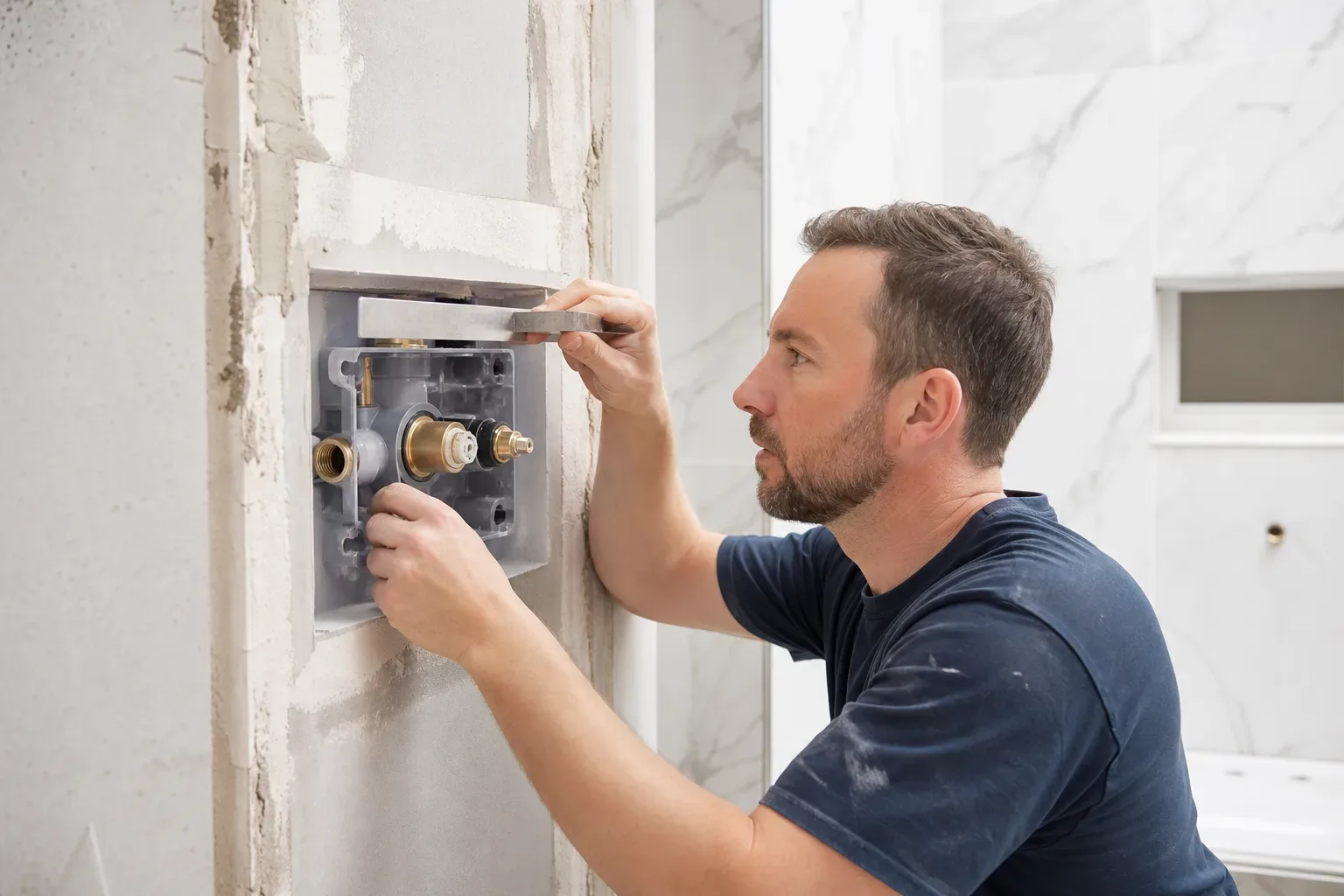
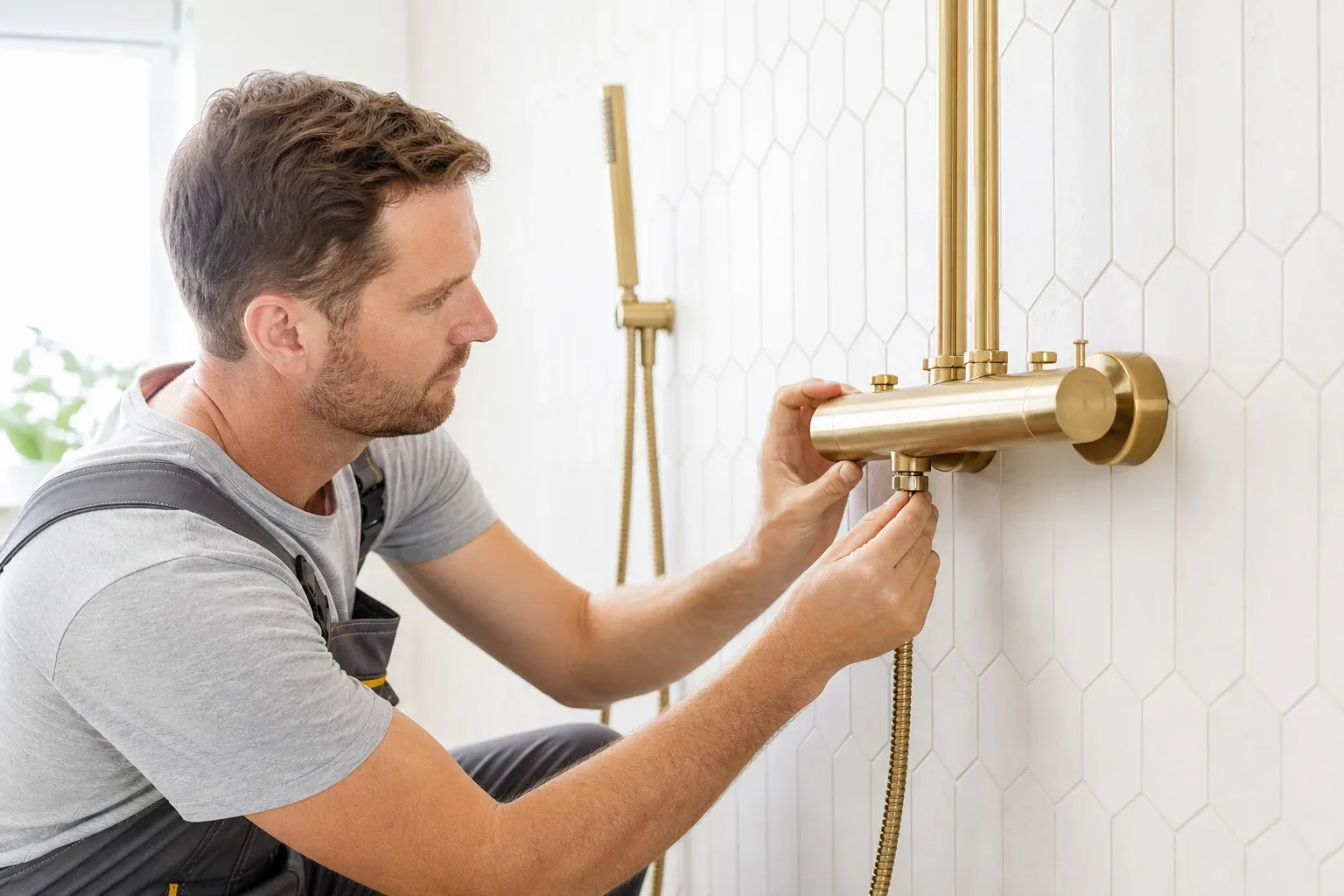
An exposed thermostatic bar valve sits proud of the wall and can be retro-fitted to existing tile without major building work. A concealed valve sits flush behind the tile with only the control plate and outlets visible. Concealed valves look minimal and are increasingly the default in new East Lothian bathroom installations, but they require the valve body to be set in the wall before waterproofing and tiling, so they must be specified early in the project.
Thermostatic controls are worth the additional cost for households with children or elderly users. Once the temperature is set, the valve holds it within a degree or two even when someone runs a tap elsewhere in the house.
Shower Heads
A fixed overhead rain head between 200 mm and 300 mm diameter is currently the most requested shower fitting on renovation projects across the region. Pair it with a separate handset on a slide rail and you cover both immersive showering and practical rinsing. For homes with lower pressure, a smaller head with fewer nozzles will produce a more satisfying spray than a 300 mm rain head trying to perform on a weak gravity feed.
Choosing Fixtures for an En Suite
En suites typically occupy compact footprints, so fixture scale matters as much as style. A 500 mm basin with a compact monobloc mixer keeps the visual weight low and leaves room for storage. Avoid oversized spouts in a small en suite: a spout that extends beyond the basin rim is a practical problem, not just an aesthetic one.
Tap and fixture costs for a standard en suite sit within the broader installation range of £2,500–£6,000 depending on whether structural or plumbing alterations are needed. Fixtures themselves are a relatively small proportion of that total, so this is rarely the place to cut back sharply on quality.
Accessibility and Adaptive Fixtures
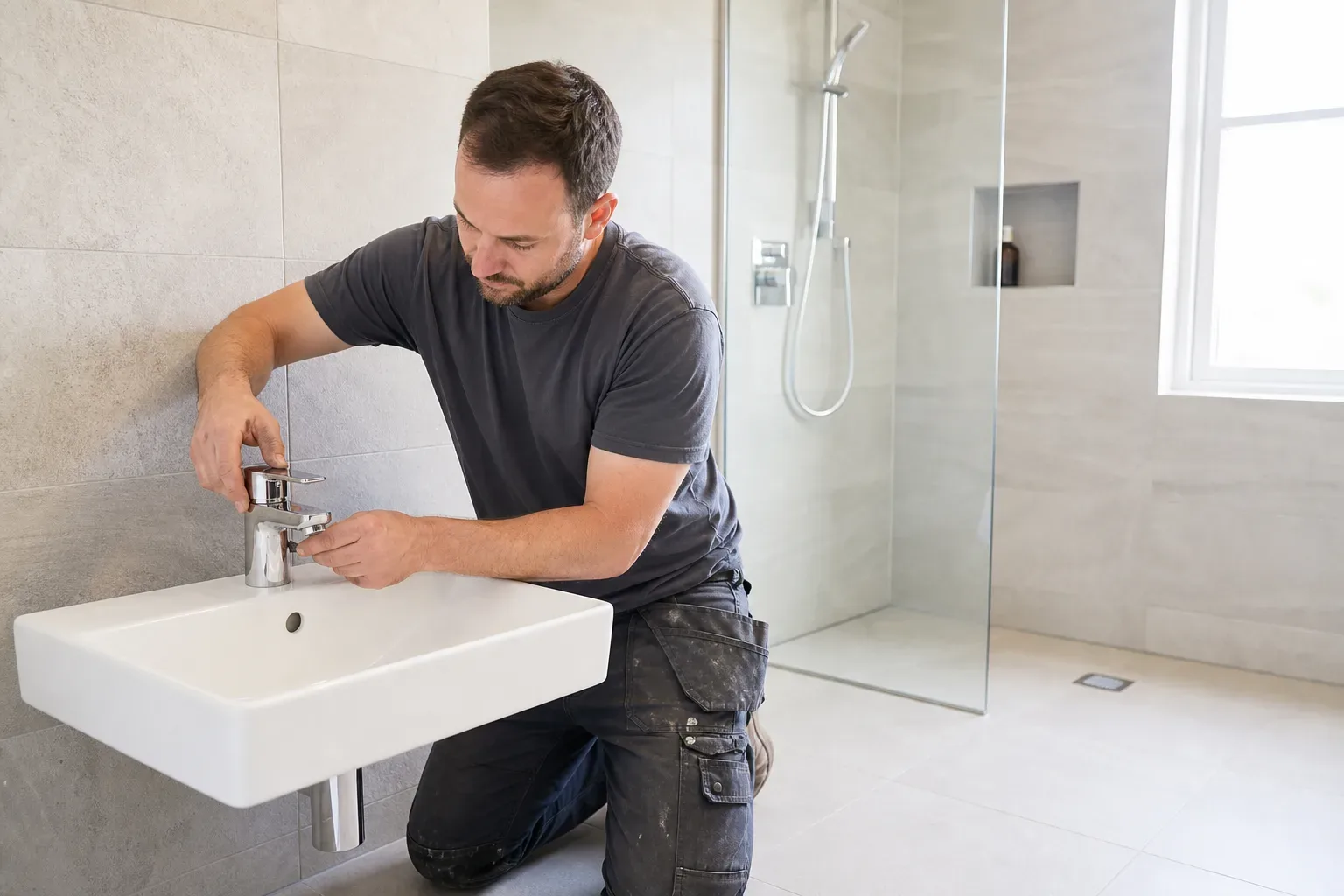
Lever handles on taps and thermostatic shower controls benefit a broad range of users, not only those with specific mobility needs. Quarter-turn lever taps require minimal grip and no twisting. For a full accessible bathroom or wet room adaptation, funding may be available through East Lothian Council's Scheme of Assistance or the Care and Repair service, subject to eligibility.
For a walk-in shower, defined here as a shower enclosure with a low-profile or flush tray and a large opening without a door, a fixed rail-mounted handset at an adjustable height is a practical and cost-effective way to improve usability without redesigning the entire space.
Specifying Fixtures Before Work Starts
Ordering fixtures before your fitter arrives saves time and avoids the day-rate cost of a tradesperson waiting on deliveries. East Lothian bathroom fitters typically charge £200–£350 per day, so even a single delayed delivery day carries a real cost. Confirm hole spacings, pipe centre distances, and inlet connection sizes with your fitter before placing orders, and buy from a supplier with a clear returns policy in case site conditions reveal a mismatch. Most experienced fitters will run through a specification checklist with you at quote stage if you ask them to.
Frequently Asked Questions
What Are the Main Types of Bathroom Taps and Fixtures?
The main types of bathroom taps are monobloc mixer taps, pillar taps, and wall-mounted taps for basins, plus bath fillers and bath overflow fillers for baths. Shower fixtures include exposed and concealed thermostatic bar valves, rain heads, and handsets on slide rails. The right type depends on your water system pressure and the style of your bathroom.
How Do I Know If My Home Has Enough Water Pressure for Modern Taps?
Time how long a one-litre jug takes to fill from your cold tap. Under six seconds indicates adequate pressure for most modern mixer taps. East Lothian homes with older gravity-fed systems often run below this threshold and may need pump-assisted fittings or taps specifically rated for low pressure. A plumber can measure your pressure accurately before you order any fixtures.
Which Tap Finish Is Most Durable for a Family Bathroom?
Chrome is the most durable and easiest to maintain, particularly in East Lothian where some areas carry moderately hard water. Brushed nickel and brushed brass look attractive but require gentler cleaning to avoid scratching. Physical vapour deposition (PVD) coatings offer the best long-term hardness and are worth considering on a higher-budget renovation, though they cost more upfront than standard plated finishes.
What Is the Difference Between a Concealed and an Exposed Shower Valve?
An exposed thermostatic bar valve sits visible on the wall and can be fitted during a bathroom refresh without major building work. A concealed valve is set inside the wall with only the control plate showing, giving a minimal look, but it must be installed before waterproofing and tiling. Concealed valves are popular in East Lothian bathroom renovations but need to be specified at the planning stage, not added later.
Can I Get Financial Help with Accessible Bathroom Fixtures in East Lothian?
Funding may be available through East Lothian Council's Scheme of Assistance or the Care and Repair service, subject to eligibility. This can help towards accessible fixtures such as lever taps, thermostatic shower controls, and level-access wet room installations. Contact East Lothian Council directly or speak to the Care and Repair team to find out what support you may qualify for.