Disabled Bathroom Adaptations and Grants in East Lothian
What Counts as a Disabled Bathroom Adaptation
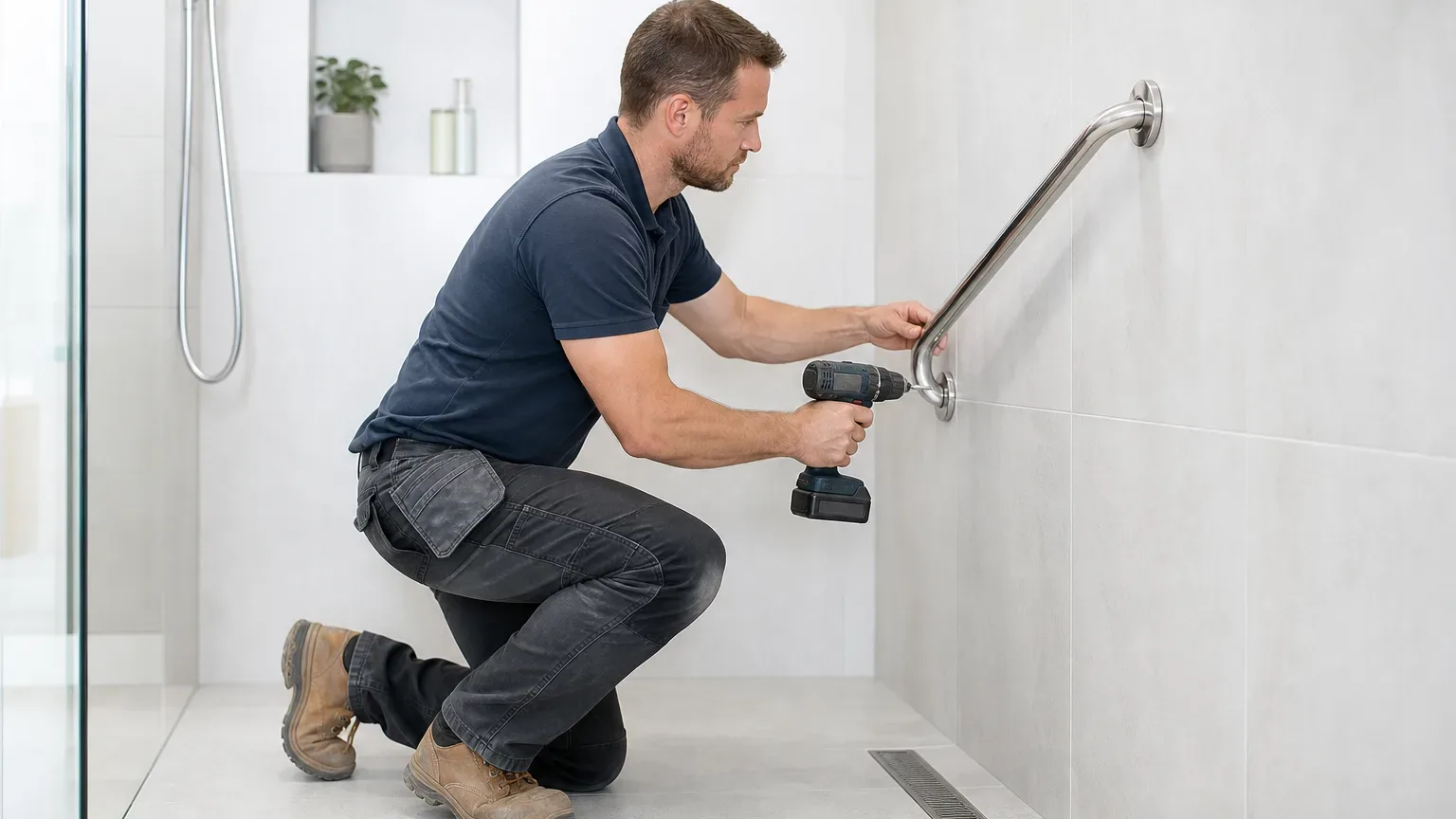
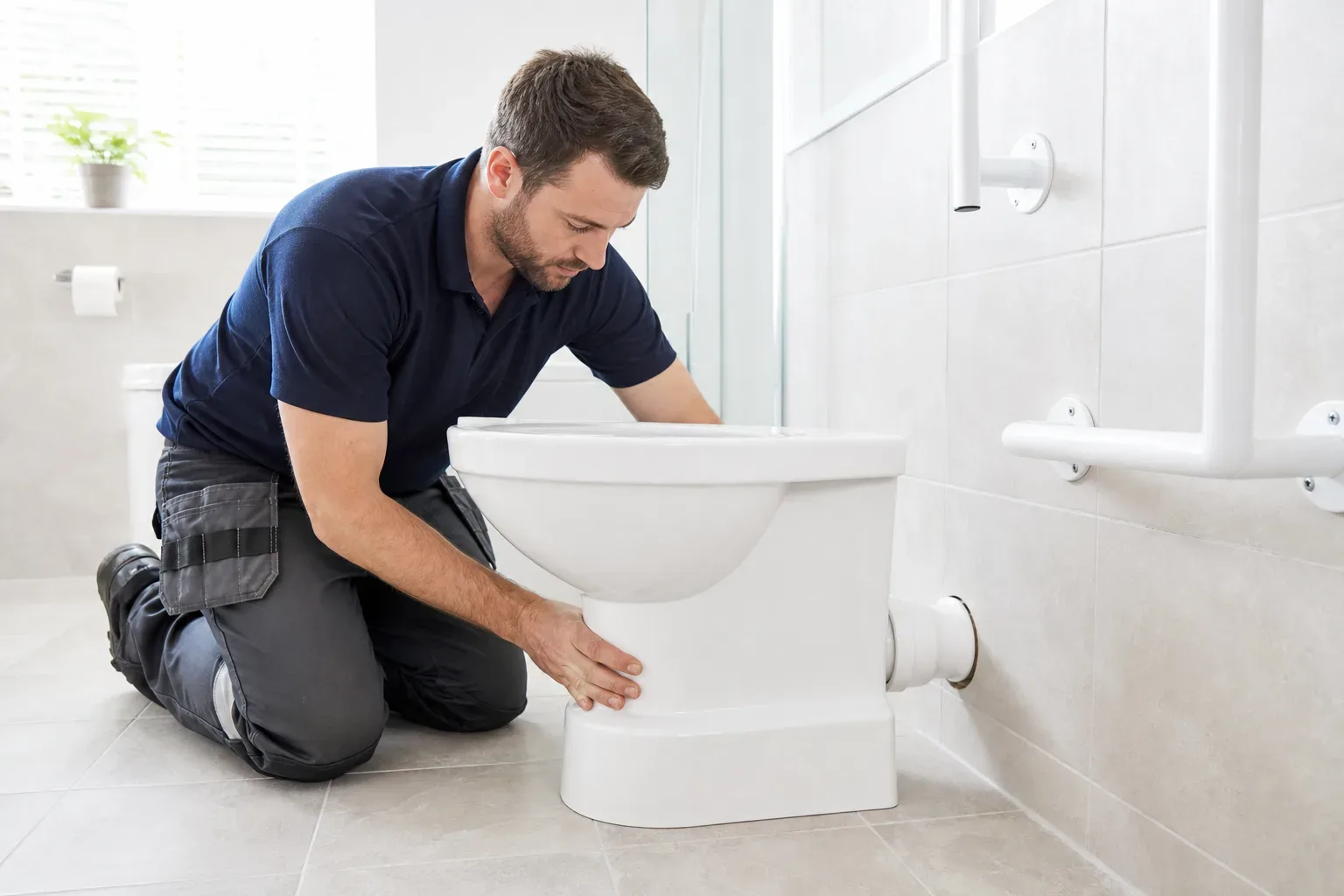
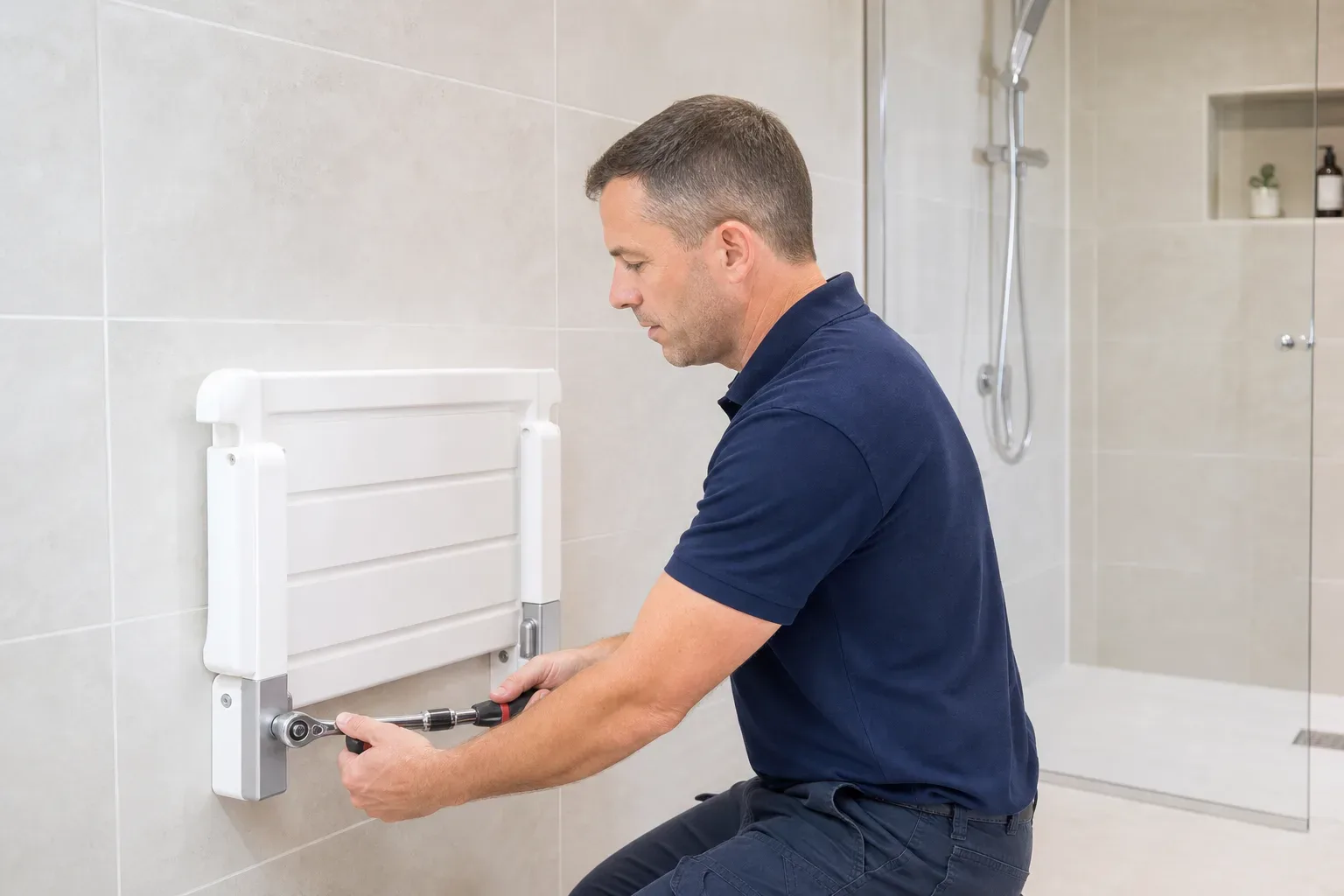
A disabled bathroom adaptation is any physical change that makes a bathroom safer or more accessible for someone with a disability, long-term health condition, or age-related mobility issue. Common examples include level-access wet rooms, grab rails, fold-down shower seats, raised toilet pans, and walk-in baths. Adaptations range from minor fittings costing a few hundred pounds to full wet room conversions that run between £3,000 and £8,000.
A wet room, specifically, is a fully waterproofed, level-access shower room with no tray or enclosure threshold. That distinction matters because local assessors and grant bodies use it precisely: a walk-in shower with a low-profile tray is not the same thing, even if both improve accessibility.
Funding Options for Disabled Bathroom Adaptations in East Lothian
East Lothian residents may have access to two main routes for public funding: East Lothian Council's Scheme of Assistance and the local Care and Repair service. Both are subject to eligibility criteria, so no funding amount can be guaranteed in advance. Contacting them early in the process is the most reliable way to establish what support is available to you.
East Lothian Council Scheme of Assistance
The Scheme of Assistance is a framework under the Housing (Scotland) Act 2006 that gives local authorities a duty to help homeowners adapt their properties. East Lothian Council can provide information, assessment, and in some cases financial support toward necessary adaptations. Means-testing applies, and the council prioritises adaptations that are clinically necessary.
An occupational therapist (OT) assessment is usually the gateway. The OT identifies what changes are functionally necessary, and their report carries significant weight in any grant application. Arranging this assessment through your GP or community health team as early as possible avoids delays.
Care and Repair East Lothian
Care and Repair services assist older and disabled homeowners who cannot easily manage the process of finding and supervising tradespeople. The service can help with the paperwork involved in accessing grant funding, obtaining quotes, and overseeing the work. Referrals typically come from GPs, social workers, or self-referral.
This support is particularly useful for single-person households or anyone who finds the contractor selection process difficult to navigate independently. The service covers homeowners across East Lothian, including Haddington, Musselburgh, North Berwick, Dunbar, Tranent, and Prestonpans.
Disabled Facilities Grant and Scotland
England and Wales have a statutory Disabled Facilities Grant (DFG), but Scotland operates differently. Scottish local authorities use the Scheme of Assistance framework rather than a ring-fenced DFG. Funding availability and amounts vary between councils, so eligibility in East Lothian may differ from what a relative in England experiences.
What the Work Actually Involves
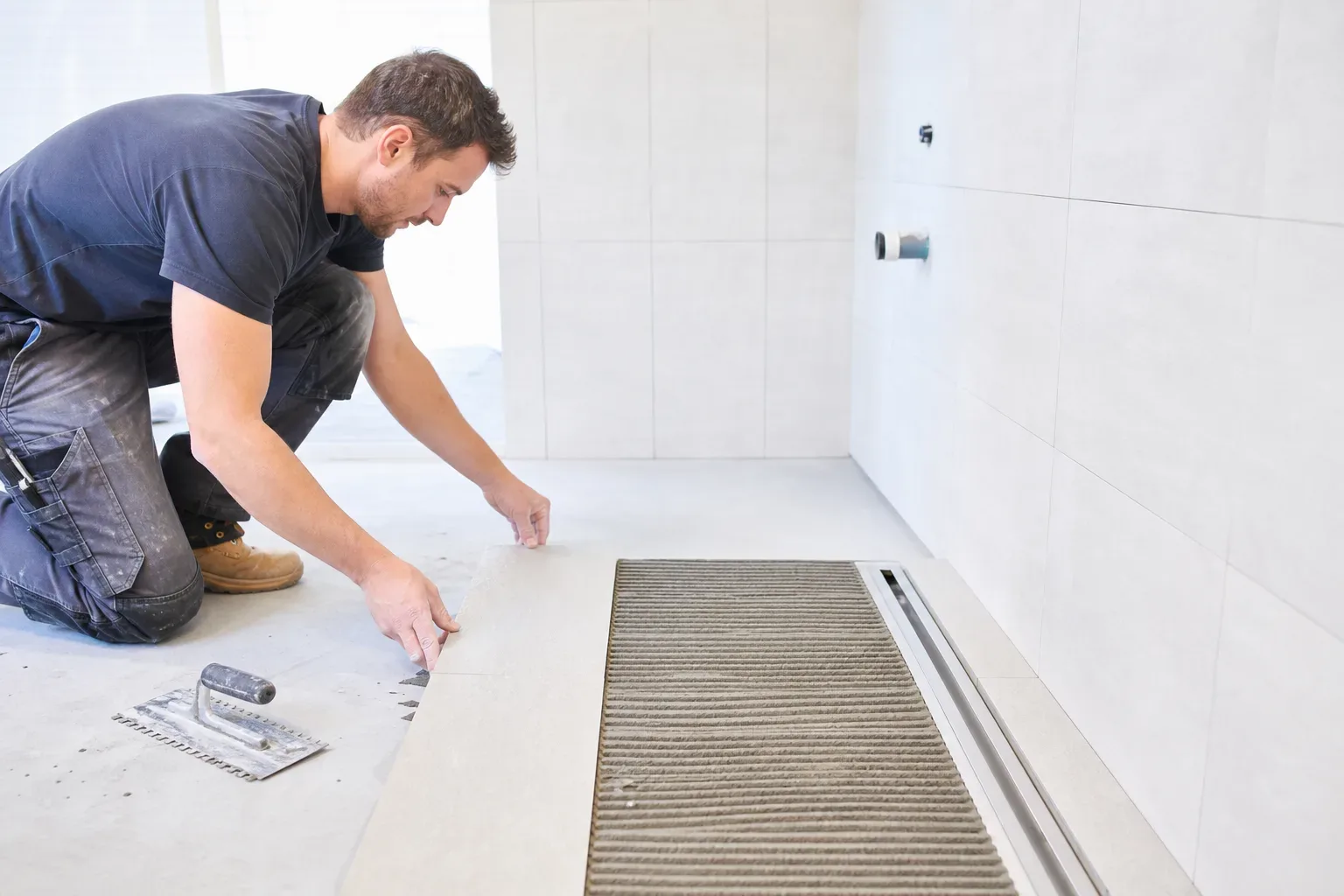
The scope of a bathroom adaptation depends entirely on the individual's needs, the existing layout, and the property type. A straightforward grab rail installation takes a single day. A full wet room conversion involves strip-out, tanking of all shower and wet-area substrates before tiling, screeding, drain installation, and fitting of any specialist sanitaryware.
A wet room conversion typically takes 5–8 working days, with additional time if screeding requires a full cure before tiling can begin. Period properties in East Lothian, particularly stone-built houses in conservation areas or listed buildings, can add complexity and cost. Most internal bathroom renovations do not require planning permission, but listed buildings and properties in conservation areas may need consent from East Lothian Council before work begins.
Typical Costs for Accessible Bathroom Work
Costs vary considerably depending on the scope of work and existing plumbing positions. The table below gives realistic supply-and-fit ranges for common adaptations.
| Work Type | Typical Cost Range |
|---|---|
| Full wet room conversion | £3,000–£8,000 |
| Full bathroom renovation (including accessible spec) | £4,000–£15,000 |
| En suite installation | £2,500–£6,000 |
| Bathroom refresh (new sanitaryware, taps, accessories) | £800–£2,500 |
| Tiling (supply and fit) | £40–£80 per m² |
Labour rates for bathroom fitters, plumbers, and tilers in East Lothian sit broadly at £200–£350 per day per tradesperson. Moving soil pipes or rerouting supply pipework adds to the overall programme and cost.
Choosing a Qualified Installer
For any adaptation involving plumbing to sealed or pressurised systems, the installer must hold appropriate certifications. All recommended installers should be Gas Safe registered where gas work is involved and hold relevant CSCS or equivalent trade qualifications. Asking to see these documents before signing any contract is entirely reasonable.
An OT assessment will specify what adaptations are required, but it will not recommend individual contractors. Getting at least two or three written quotes for the same scope of work gives a meaningful price comparison and highlights any differences in what each contractor intends to supply.
Renters and Adapted Bathrooms
Private renters in East Lothian need written permission from their landlord before carrying out any adaptation work. The Equality Act 2010 gives disabled tenants the right to request reasonable adjustments, and landlords cannot unreasonably refuse. Social housing tenants should contact their housing association or East Lothian Council's housing team directly, as adapted properties may already be available or adaptations may be funded differently.
Social landlords typically have their own occupational therapy referral pathways and may carry out adaptations directly without the tenant needing to source a contractor. The process is slower than private commissioning but often involves no direct cost to the tenant.
Getting Started with an Adaptation in East Lothian
The most effective sequence is: GP or self-referral to an occupational therapist, OT assessment and written recommendations, application to East Lothian Council's Scheme of Assistance or Care and Repair, then contractor quotes aligned to the OT specification. Skipping the OT stage and commissioning work privately first can disqualify you from grant support, so the order matters.
Funding through the Scheme of Assistance is subject to eligibility and is never guaranteed, but an early conversation with East Lothian Council's housing team costs nothing and establishes clearly what the options are before any money changes hands.
Frequently Asked Questions
Disabled Bathroom Grants Scotland
Scotland does not have a Disabled Facilities Grant like England and Wales. Instead, Scottish local councils use the Housing (Scotland) Act 2006 Scheme of Assistance framework. In East Lothian, homeowners may be eligible for financial support through East Lothian Council's Scheme of Assistance or through Care and Repair East Lothian, subject to means-testing and an occupational therapist assessment confirming the adaptation is clinically necessary.
How Much Does a Disabled Wet Room Cost in East Lothian?
A wet room conversion in East Lothian typically costs between £3,000 and £8,000 for supply and fit. This includes full waterproof tanking of all substrates before tiling, a level-access drain, and any screen or specialist sanitaryware. Accessible specifications with additional features such as fold-down seating, thermostatic valves, or extra grab rails sit toward the upper end of that range.
Do I Need Planning Permission for a Disabled Bathroom Adaptation?
Most internal bathroom adaptations in East Lothian do not require planning permission. However, listed buildings and properties in conservation areas may need consent from East Lothian Council before work begins. If you are unsure whether your property falls into either category, checking with the council's planning department before starting is the safest step.
What Does an Occupational Therapist Assessment Involve for a Bathroom Adaptation?
An occupational therapist visits your home, assesses your mobility and functional needs, and produces a written report specifying which adaptations are necessary. This report is the key document for any Scheme of Assistance application in East Lothian. You can request an OT assessment through your GP, a social worker, or in some cases through self-referral to the community health team.
Can Renters Get Disabled Bathroom Adaptations in East Lothian?
Yes, but private renters need written landlord permission before work begins. Under the Equality Act 2010, landlords cannot unreasonably refuse a reasonable adaptation request from a disabled tenant. Social housing tenants in East Lothian should contact their housing association or East Lothian Council's housing team, as adaptations in social tenancies are often funded and managed directly without cost to the tenant.