Victorian and Stone Cottage Bathroom Design in East Lothian - Period Property Bathroom Design East Lothian
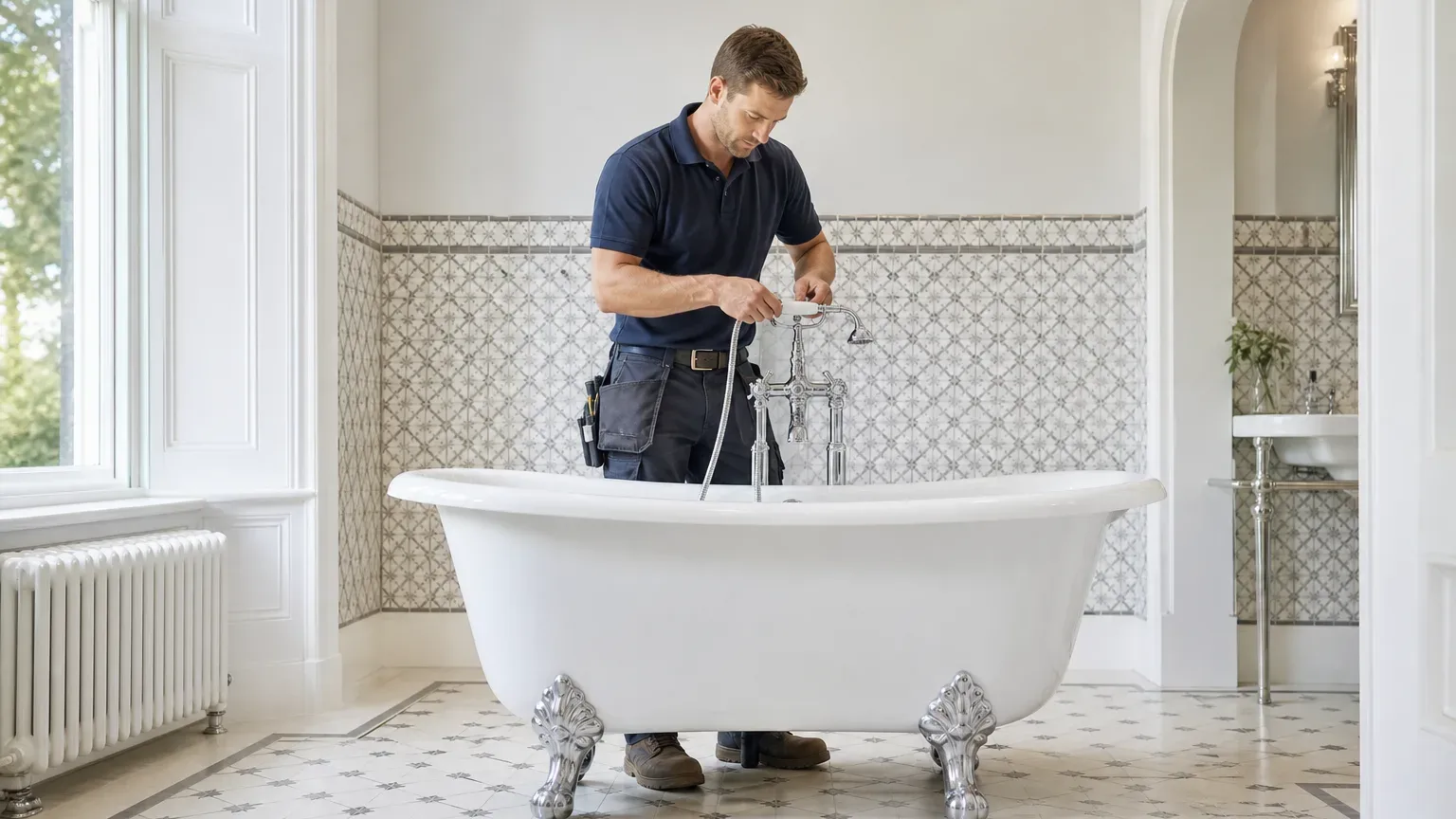
East Lothian's housing stock is rich with Victorian sandstone terraces in Musselburgh, rubble-walled cottages outside Haddington, and Georgian townhouses in North Berwick. These buildings have thick walls, narrow door openings, and original features that reward careful planning rather than a standard off-the-shelf approach. Getting the bathroom right in a period property means working with the building's character, not against it.
Understanding What Makes Period Properties Different
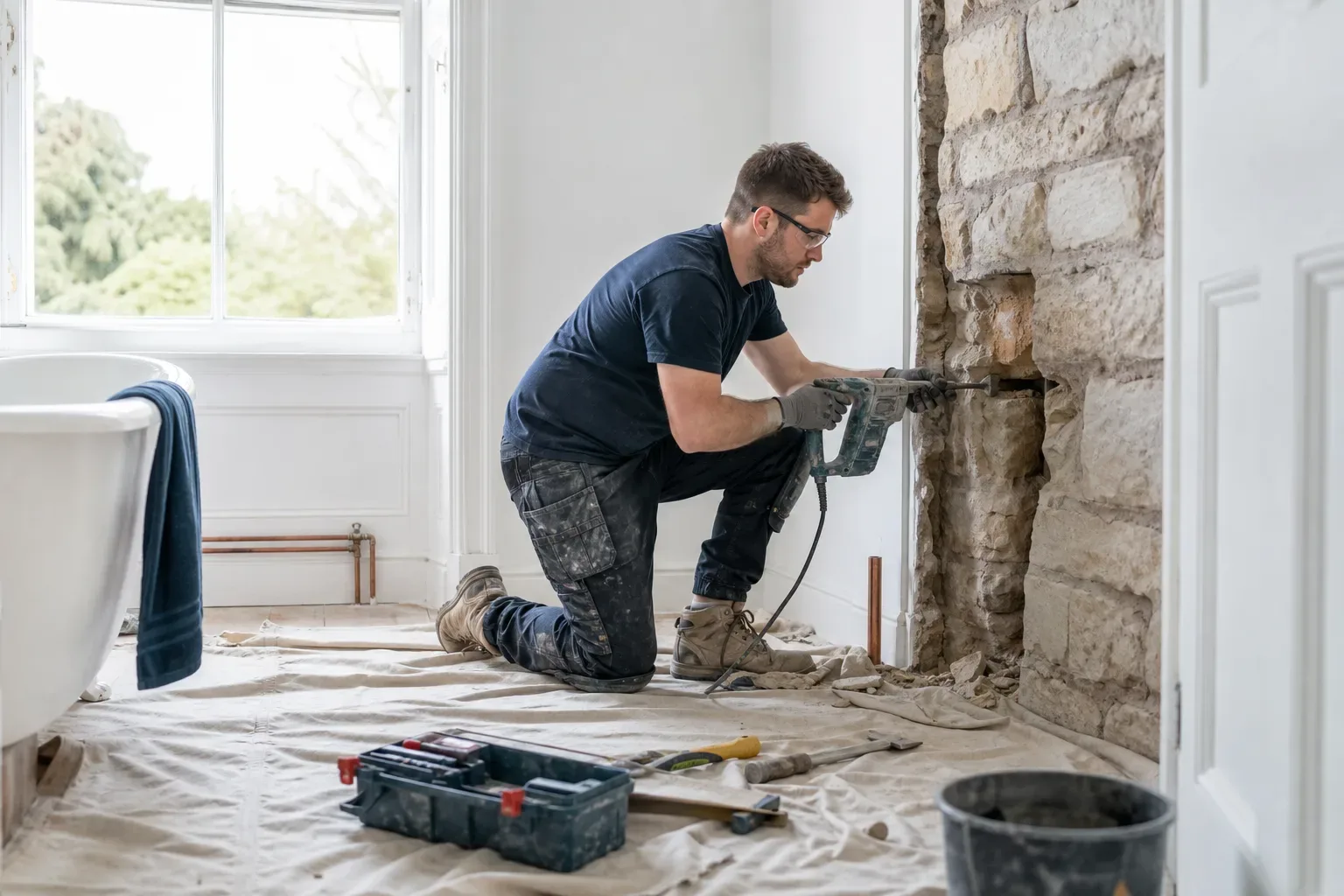
Victorian and stone cottage construction creates practical constraints most modern renovations never encounter. Walls are often solid masonry up to 600 mm thick, which limits where pipes can be chased and how waste runs can be routed. Floor joists in older properties may be undersized by current standards, so a cast-iron bath or a wet room requiring a structural screed needs a structural check before any work begins.
Humidity management is another factor. Stone walls breathe differently from modern cavity construction, and fully sealed bathroom systems can trap moisture and accelerate deterioration of historic fabric. Ventilation strategy, whether mechanical extract or a passive approach, should be agreed with your installer before specification starts.
Choosing a Style That Suits the Building
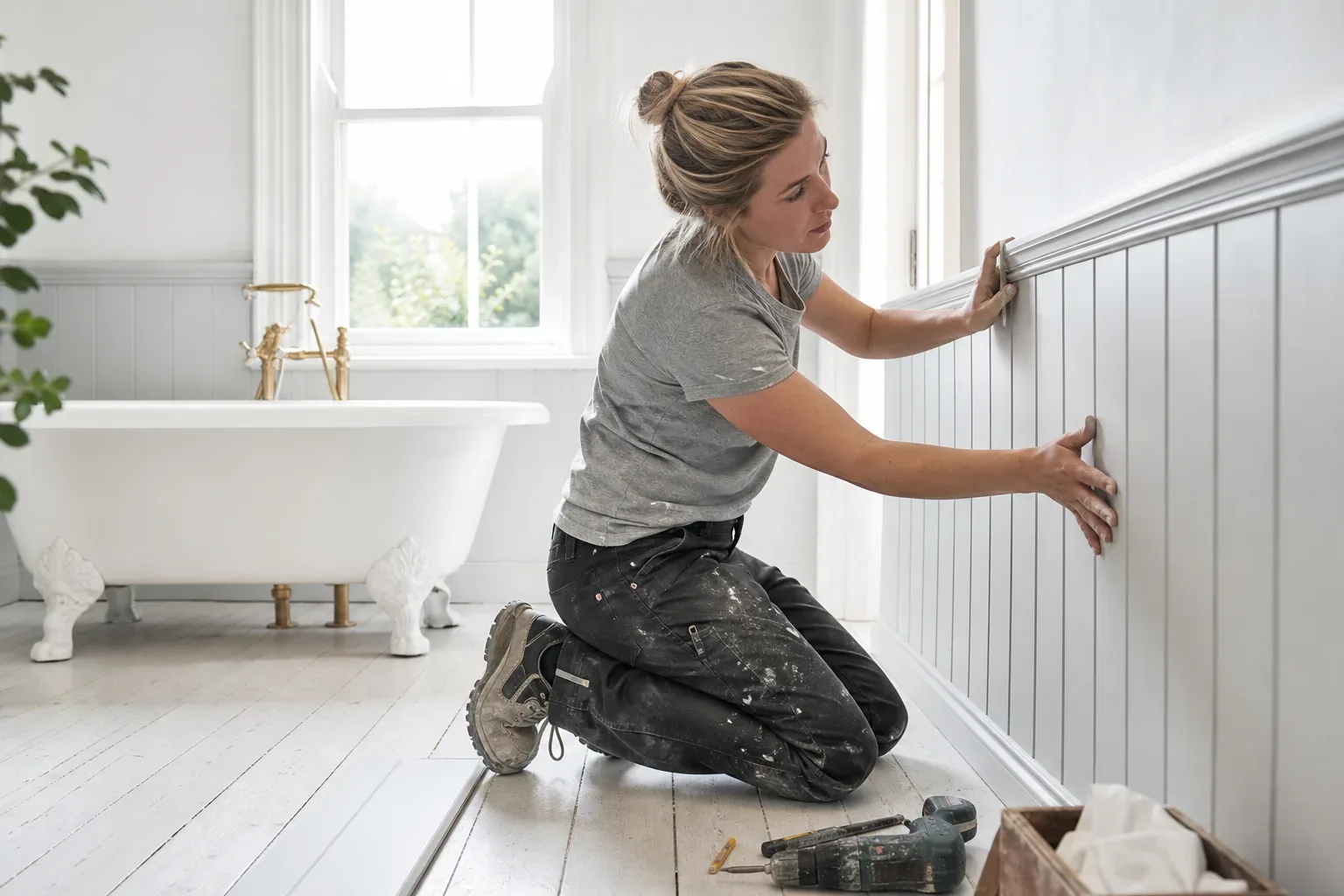
The most successful period bathroom designs draw on the architectural language already present in the house. A Victorian property typically suits a palette of white or cream sanitaryware with exposed chrome or brushed nickel fittings, encaustic or metro-style tiling, and painted tongue-and-groove panelling. Stone cottages tolerate a softer approach: natural slate or limestone-look porcelain, freestanding baths on ball feet, and wall-hung fittings that leave floor space visible.
Neither approach demands replica Victorian products, which can feel theme-park rather than authentic. Contemporary sanitaryware in classic silhouettes, such as a back-to-wall pan with a close-coupled cistern, reads as period-sympathetic without the maintenance headaches of genuine antique fittings.
Sanitaryware Selection
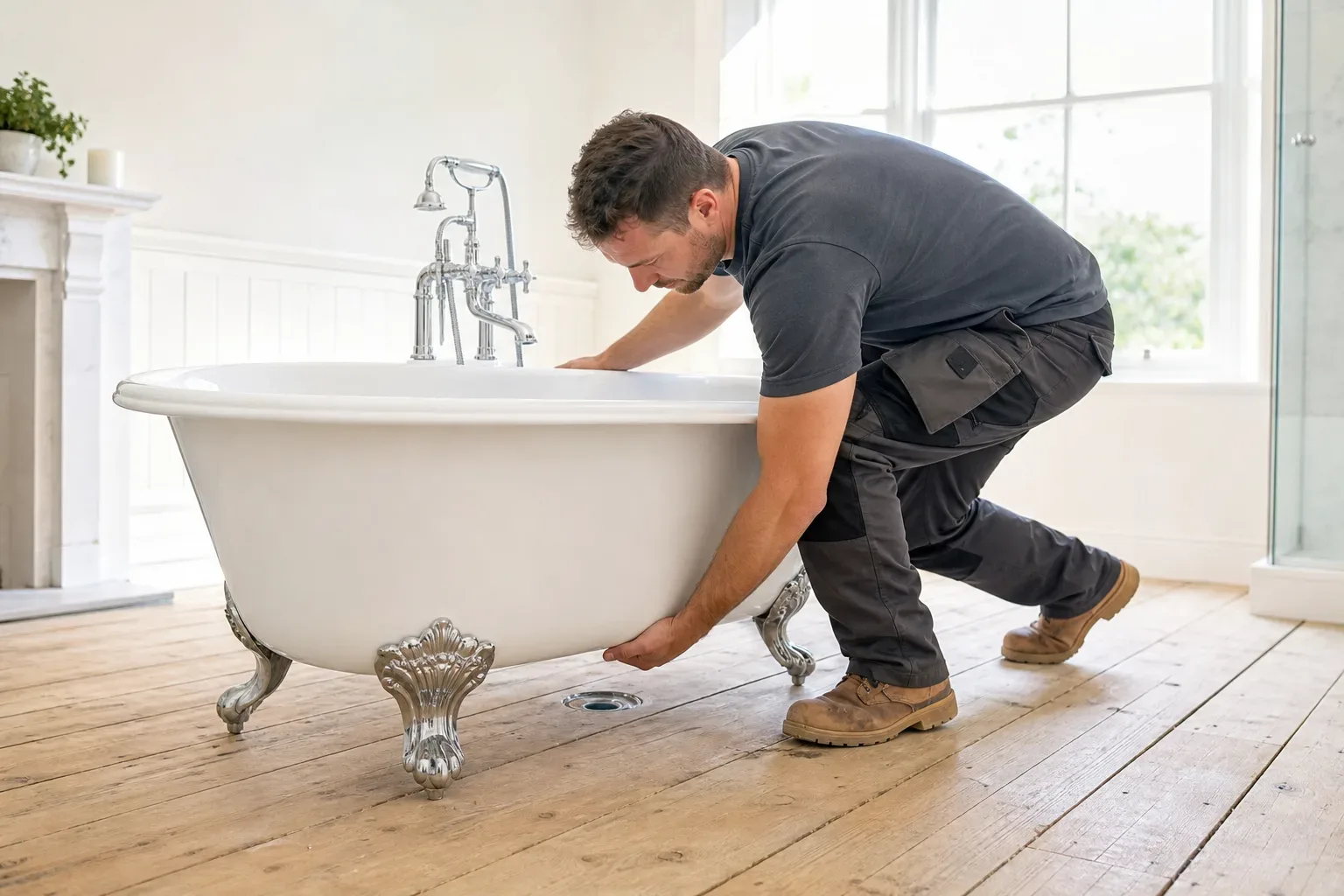
Freestanding baths suit the proportions of a Victorian bathroom well. Acrylic roll-tops start at around £500 for supply only; cast-iron and stone-resin models range up to £3,000 and carry significant floor-load implications. If the floor structure cannot take a filled cast-iron bath, a quality acrylic version finished in a stone-effect paint achieves a similar visual result at a fraction of the weight.
WC and basin choices matter as much as the bath. High-level cisterns with a pull-chain suit a Victorian scheme precisely because they were standard at the time. Basin columns or semi-pedestals keep pipework hidden without requiring boxing-in, which can look incongruous in a room with exposed original features.
Tiling and Flooring
Period properties reward restraint in tile selection. Full-height large-format porcelain can look contemporary in a way that jars with a Victorian or Edwardian interior. Metro tiles at 75 mm by 150 mm, or encaustic geometric floor tiles at 100 mm, are proportionally in keeping with the era. Tiling costs across East Lothian run at £40–£80 per m² for supply and fit, with natural stone at the upper end of that range.
Original timber floorboards, where structurally sound, can be retained under a bathroom if properly isolated with a waterproof membrane at the shower zone. This approach preserves character detail that would be lost under sheet vinyl or modern porcelain. A specialist installer should assess board condition before committing to this route.
Shower Solutions in a Period Bathroom
Fitting a shower into a Victorian or cottage bathroom rarely means adding a purpose-built wet room. The rooms are often compact, and the building fabric may not support the tanking and screeding a fully level-access wet room requires without significant structural intervention.
A walk-in shower, using a low-profile tray and a large opening without a door, offers a practical middle ground. Supply-only costs for a walk-in enclosure run from £300 for an entry-level framed unit to £1,500 for mid-range frameless glass. Frameless glass with a brushed brass frame profile reads well in a Victorian interior. For a true wet room, fully waterproofed and level-access with no tray or threshold, tanking is applied to all substrate surfaces before tiling as standard practice, and East Lothian installations typically take 5–8 working days including cure time.
Heritage Shower Fittings
Exposed thermostatic shower valves with separate flow controls are both practical and visually appropriate for a period scheme. Brands such as Crosswater, Burlington, and Perrin and Rowe offer exposed valve ranges in chrome or nickel that sit comfortably in a Victorian context. Avoid recessed digital systems in period bathrooms; the installation requires significant wall depth and the aesthetic is difficult to reconcile with original features.
Planning and Listed Building Considerations
Most internal bathroom renovations in East Lothian do not require planning permission. Listed buildings and properties within conservation areas, including parts of Haddington and the North Berwick town centre, may need consent for changes that affect the character of the building. Checking with East Lothian Council before starting work is the right first step, particularly if the renovation involves removing original features or altering external wall fabric.
If the property is listed, your designer or installer should be comfortable liaising with the planning authority on your behalf. Some traditional lime-based plasters, for example, cannot simply be skim-coated with a gypsum product without affecting the building's breathability and the integrity of the listed structure.
Budgeting for a Full Period Bathroom Renovation
A full bathroom renovation in a period property in East Lothian typically costs £4,000–£15,000, covering supply and fit for a standard family bathroom. High-specification schemes with cast-iron sanitaryware, natural stone tiling, and bespoke joinery can exceed this figure. Labour runs at £200–£350 per tradesperson per day, and period properties almost always need more preparation time than modern builds due to uneven walls, irregular floor levels, and the care required around original features.
An en suite installation in an existing spare bedroom or dressing room costs £2,500–£6,000 in a straightforward case. Any structural alteration or long plumbing run adds to that figure. Build time for an en suite is typically 3–6 working days; a full bathroom renovation runs 5–10 working days from strip-out to snagging.
Accessible Adaptations in Period Homes
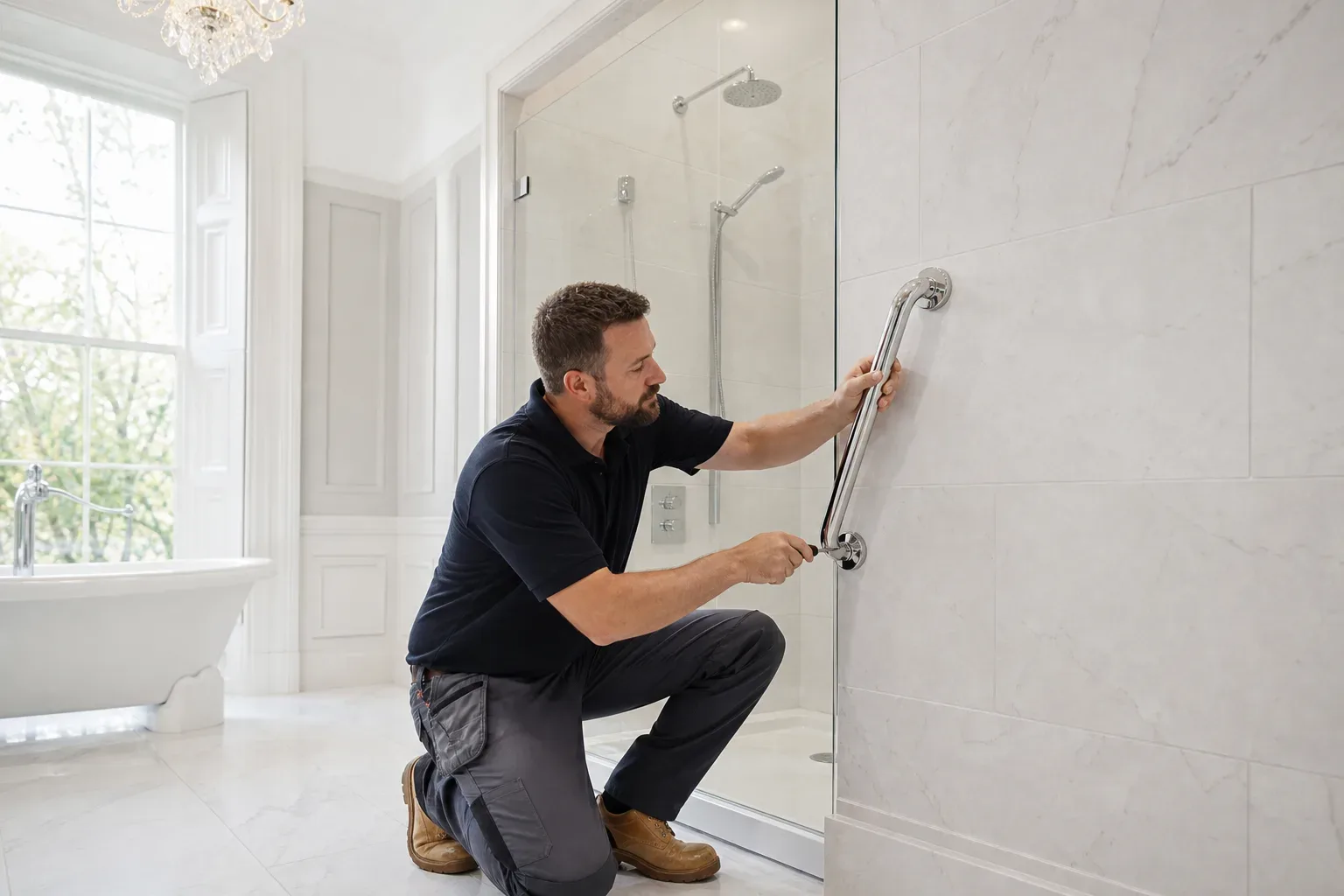
Funding for accessibility adaptations may be available through East Lothian Council's Scheme of Assistance or the Care and Repair service, subject to eligibility. A level-access shower or wet room installation in a period property costs £3,000–£8,000 depending on the degree of structural work required. The challenge in a Victorian property is creating level access without raising the floor above door thresholds or compromising the building's drainage falls.
A wet room drain positioned close to an existing soil stack minimises the length of the waste run and keeps the floor build-up as shallow as possible. This is a detail worth discussing in detail with your installer during the design stage, before any ordering takes place.
Frequently Asked Questions
How to Design a Bathroom in a Period Property
Start by identifying the architectural language of the building: cornice profiles, wall construction, floor type, and original features that should be retained. Choose sanitaryware silhouettes sympathetic to the era, such as high-level cisterns or freestanding baths, and select tile formats proportional to a Victorian or Edwardian room. Agree a ventilation strategy early, as solid masonry walls behave differently from modern cavity construction and humidity management is critical to preserving the building fabric.
Do I Need Planning Permission to Renovate a Bathroom in a Listed Building in East Lothian?
Most internal bathroom renovations do not require planning permission, but listed buildings and properties in East Lothian conservation areas, including parts of Haddington and North Berwick, may need consent if the work affects the character of the building. Always check with East Lothian Council before starting work, particularly if original features such as cornices, floors, or lime plaster walls will be altered.
What Does a Full Bathroom Renovation Cost in a Victorian Property in East Lothian?
A full bathroom renovation in East Lothian typically costs £4,000–£15,000 for supply and fit in a standard family bathroom. Period properties usually sit toward the upper end of that range due to preparation time needed for uneven walls, irregular floors, and careful work around original features. High-specification schemes with natural stone, cast-iron sanitaryware, or bespoke joinery can exceed £15,000.
Can I Install a Wet Room in a Stone Cottage?
A wet room can be installed in a stone cottage, but the structural requirements need careful assessment first. The floor must support a screed and tanking build-up without raising the finished level above door thresholds, and the existing drainage fall must accommodate a linear or point drain close to the soil stack. A specialist installer will tank all substrate surfaces before tiling as standard practice, and East Lothian wet room installations typically take 5–8 working days.
What Shower Fittings Look Right in a Victorian Bathroom?
Exposed thermostatic valves with separate flow controls in chrome, nickel, or brushed brass suit a Victorian interior well. Brands such as Burlington and Perrin and Rowe produce exposed valve ranges designed for this aesthetic. Recessed digital systems require significant wall depth and tend to look out of place alongside period features such as encaustic tiling or tongue-and-groove panelling.