Luxury Spa Bathroom Installations in East Lothian
What a Luxury Spa Bathroom Actually Means
A luxury spa bathroom goes beyond expensive fittings. It combines materials, light, heat, water delivery, and acoustic calm into a space that functions like a private retreat rather than just a utility room. In East Lothian homes, this typically means replacing a standard family bathroom with a considered layout that incorporates large-format stone or porcelain, body-jet showers, freestanding baths, and heated surfaces throughout.
The distinction between a premium bathroom and a genuine spa bathroom is usually thermal comfort and sensory detail. Underfloor heating, towel rails that stay warm, steam enclosures, and chromotherapy lighting are the features that separate the two categories. A full spa bathroom renovation in East Lothian falls within the £4,000–£15,000 range for standard family bathrooms, but high-specification wet rooms, bespoke cabinetry, or natural stone finishes can push well beyond that.
Key Features Worth Prioritising
Walk-In Shower and Wet Room Options
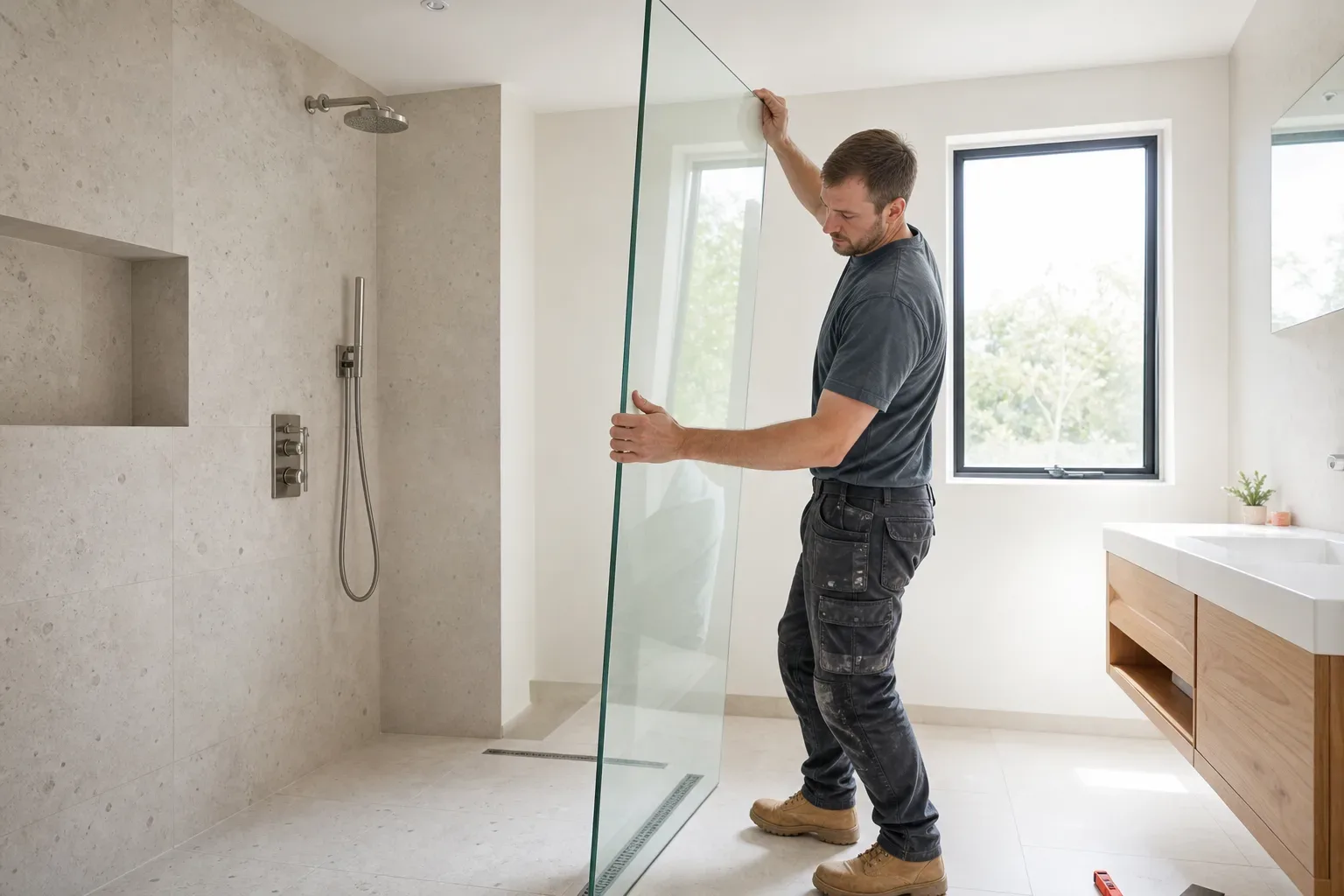
A walk-in shower uses a low-profile or flush tray with a large opening and no door. A wet room is a fully waterproofed, level-access shower room with no tray or enclosure threshold at all. Both feel spacious, but a wet room requires tanking the entire substrate before any tile goes down, which adds time and cost to the build.
Wet room installations in East Lothian typically run £3,000–£8,000, with accessible or level-access specifications sitting at the upper end. A frameless walk-in shower enclosure supplied alone costs £300–£1,500 depending on the glass quality and profile. Body-jet systems, rain-head showerheads, and thermostatic valves add further cost but are the features that deliver the spa sensation.
Freestanding Baths
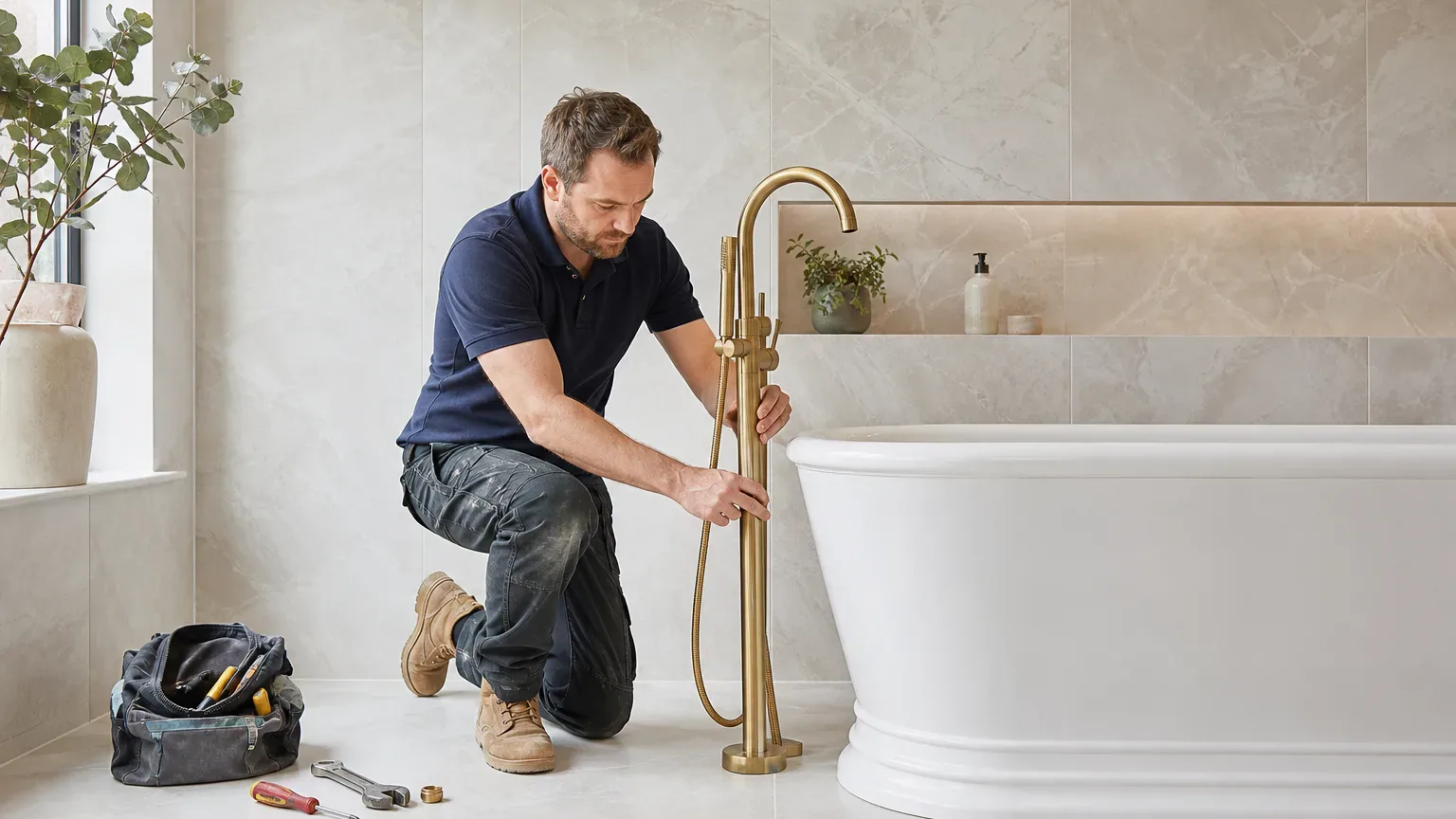
A freestanding bath is the centrepiece most homeowners associate with a spa aesthetic. Supply costs range from £500 for an acrylic roll-top up to £3,000 for cast-iron or stone-resin options. Stone-resin retains heat far longer than acrylic, which matters if soaking time is the goal rather than visual impact alone.
Positioning a freestanding bath correctly requires planning around pipe runs. Floor-mounted fillers look clean but demand precise waste and supply positioning before any floor finish is laid. Working this out during the design stage avoids expensive alterations later.
Tiling and Surface Materials
Large-format porcelain slabs, natural slate, and honed limestone are the most common surface choices for East Lothian spa bathrooms. Tiling costs £40–£80 per m² for supply and fit, with larger format tiles and natural stone sitting at the upper end of that range. A 6 m² shower area in bookmatched porcelain will cost noticeably more than standard 600×300 ceramic, but the visual result is significantly different.
Grout lines affect the character of the space. Fewer, thinner lines read as more refined. Using rectified tiles and a skilled tiler who can maintain 1–2 mm joints makes a measurable difference to the finished appearance. The same principle applies to wall panels if you choose to avoid grout entirely on certain surfaces.
Heated Surfaces and Ambient Comfort
Underfloor heating beneath stone or porcelain is the single most impactful upgrade for daily comfort. Electric mat systems work well in bathrooms without screeding requirements. Hydronic systems tied into the central heating work for larger or newly screeded floors.
Heated towel rails, mirror demisting pads, and steam generators are add-ons worth budgeting separately. A steam shower enclosure requires a sealed unit with a dedicated generator and appropriate ventilation design. This is not a straightforward swap from a standard enclosure, and the installation time reflects that.
Planning Your Spa Bathroom Project
How Long Will the Installation Take?
A full spa bathroom renovation in East Lothian typically takes 5–10 working days from strip-out to snagging. Complex layouts, period properties, or jobs requiring plumbing reroutes can run longer. Stone-resin baths and natural stone tiles sometimes arrive on longer lead times, so sequencing deliveries before the job starts keeps things on track.
Wet rooms require tanking, and tanking requires cure time before tiling proceeds. This is standard practice, not an optional step. Factor in an extra half-day to a full day within the programme for cure time if your specification includes a wet room.
Do I Need Planning Permission?
Most internal bathroom renovations in East Lothian do not require planning permission. Listed buildings and properties within conservation areas may need consent before structural or external changes. If your property falls into either category, check directly with East Lothian Council before committing to a specification that involves altering walls or rooflines.
Internal alterations to plumbing, layout, and finishes within an existing bathroom footprint rarely trigger a planning requirement. That said, building regulations may apply to certain electrical or plumbing work, and any certified tradesperson carrying out that work should be able to confirm compliance.
Choosing the Right Tradespeople
A spa bathroom installation involves a bathroom fitter, a plumber, a tiler, and often an electrician. Day rates in East Lothian run £200–£350 per tradesperson. All recommended installers should hold relevant CSCS or equivalent trade qualifications, and plumbing work on sealed systems requires appropriate Gas Safe registration where gas is involved.
Project coordination between trades is where budgets and timelines slip. Either appoint a lead fitter who manages the programme or build in contingency days to allow for sequencing gaps. A good tiler working behind a plumber who runs late will cost you a day regardless of who is at fault.
Spa Bathrooms for Accessibility and Later Living
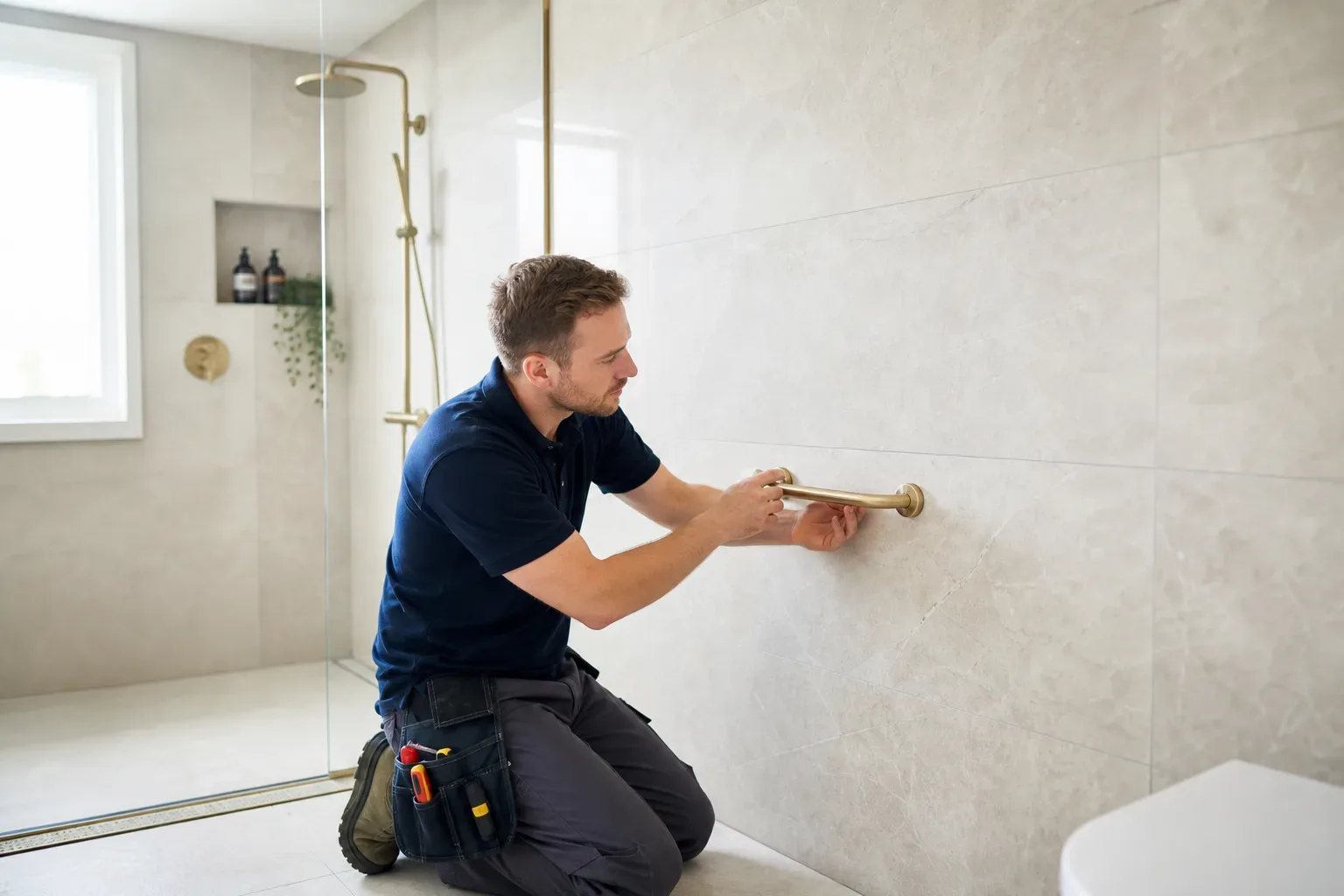
Spa aesthetics and accessible design are more compatible than many homeowners expect. A level-access wet room with a wide opening, a thermostatic shower valve, and a fold-down seat meets both a spa brief and a practical accessibility standard. Grab rails in brushed brass or stainless steel integrate cleanly into a high-end finish rather than marking the space as a care environment.
Funding may be available through East Lothian Council's Scheme of Assistance or the Care and Repair service for adaptations that improve accessibility, subject to eligibility. This can offset a portion of the cost for homeowners who want a wet room installation that doubles as a long-term adaptation. A wet room installation at the accessible end of the specification typically sits toward £8,000, but the build quality and material choices determine the final figure.
Getting Accurate Quotes
Specify before you quote. Providing a floor plan, your preferred tile format, sanitaryware choices, and any wet room or steam requirements gives tradespeople enough detail to price accurately rather than broadly. Vague briefs produce wide price ranges that are not useful for budgeting.
Initial responses to enquiries should come back within 48 hours. If a quote is based on assumptions rather than your actual specification, ask the tradesperson to itemise what they have included. A bathroom refresh, which covers cosmetic updates without a full strip-out, costs £800–£2,500 and is a different scope entirely from a full spa installation. Knowing which category your project falls into before you approach tradespeople saves time for both parties.
Frequently Asked Questions
How Much Does a Luxury Spa Bathroom Installation Cost in East Lothian?
A full bathroom renovation in East Lothian typically costs £4,000–£15,000 for a standard family bathroom. High-specification spa features such as natural stone tiling, freestanding cast-iron baths, steam enclosures, or bespoke cabinetry can push the total well beyond that upper figure. A wet room installation sits in the £3,000–£8,000 range depending on size and specification.
What Is the Difference Between a Wet Room and a Walk-in Shower?
A wet room is a fully waterproofed, level-access shower room with no tray or enclosure threshold. A walk-in shower uses a low-profile or flush tray with a large opening, typically without a door. Both suit a spa aesthetic, but a wet room requires full substrate tanking before tiling and generally costs more to install correctly.
How Long Does a Spa Bathroom Renovation Take in East Lothian?
Most full bathroom renovations take 5–10 working days from strip-out to snagging. Wet rooms require tanking cure time within that programme. Complex layouts, period properties, or jobs with significant plumbing rerouting may run longer. Ordering sanitaryware and tiles before the work starts avoids delays caused by delivery lead times.
Do I Need Planning Permission for a Spa Bathroom in East Lothian?
Most internal bathroom renovations in East Lothian do not require planning permission. Listed buildings and properties in conservation areas may need consent before work begins. It is always worth checking with East Lothian Council if your property has any designation, particularly if you are altering walls or changing the room's footprint.
Can a Spa Bathroom Also Meet Accessibility Requirements?
Yes. A level-access wet room with a thermostatic valve, wide opening, and integrated seating meets both a spa brief and practical accessibility standards. Funding may be available through East Lothian Council's Scheme of Assistance or the Care and Repair service for qualifying adaptations, subject to eligibility. Accessible wet rooms at the higher specification end typically sit toward the £8,000 mark.